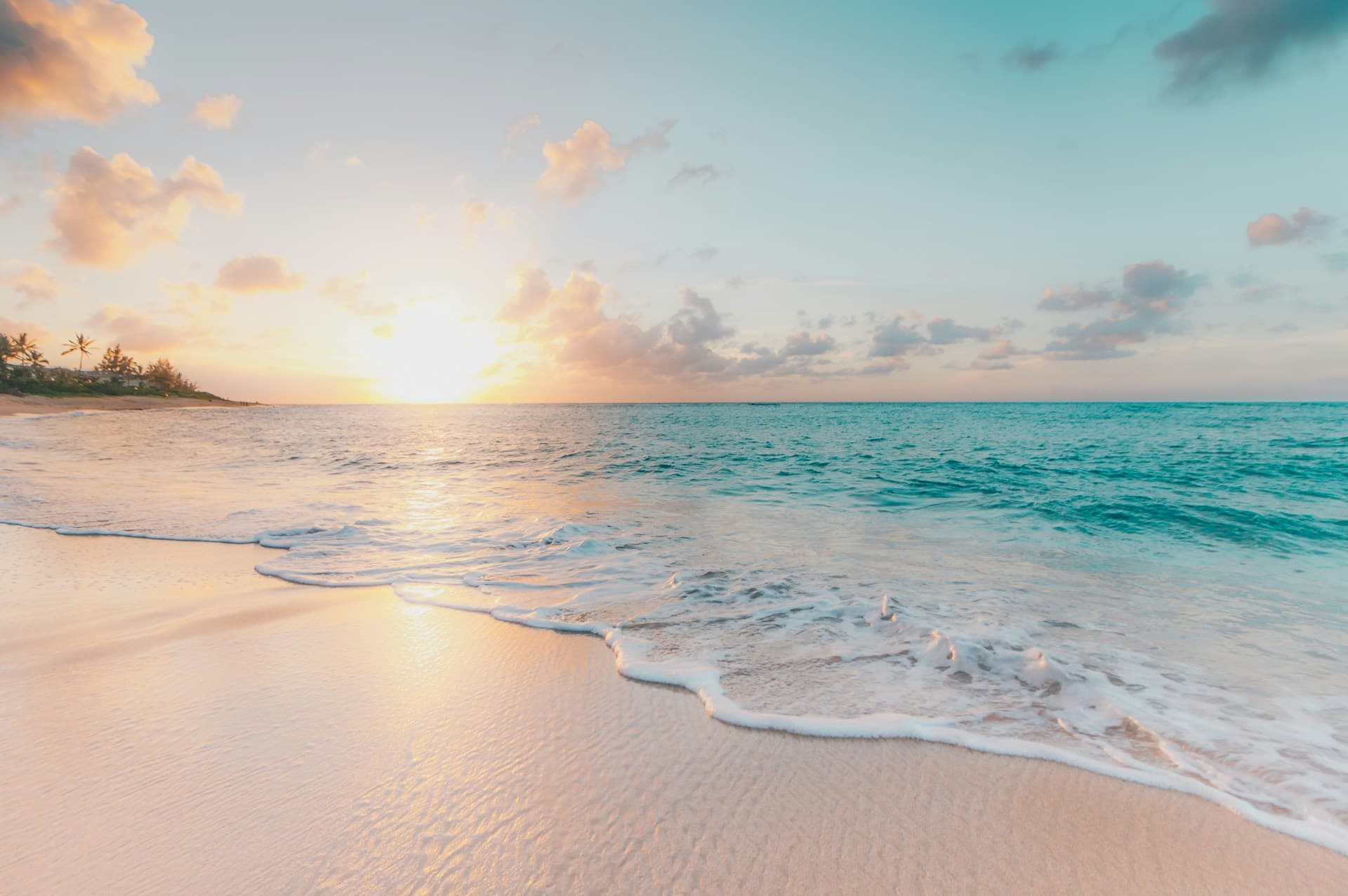
Vientiane moves at a pace that's almost incomprehensible by the standards of other Southeast Asian capitals. No honking scooter avalanche like Ho Chi Minh City, no sky-train rush like Bangkok. The Mekong rolls past at its own pace, monks collect alms at dawn without a tourist in sight, and the best Lao food you'll eat costs less than $3. Three days here is enough to see the highlights and slow down enough to understand why travelers who expected a stopover often end up staying a week.
Before You Go: Vientiane Basics
Currency: Lao Kip (LAK). As of 2026, roughly 21,000 LAK = $1 USD. ATMs dispense kip; USD is accepted at most hotels and many restaurants.
Visa: Most nationalities get a 30-day e-visa on arrival at Wattay International Airport ($50). The process takes about 20 minutes.
Getting there: Direct flights from Bangkok (1 hour, ~$60–120 on Bangkok Airways or Lao Airlines), Hanoi (2 hours, ~$80–150), and Chiang Mai (1 hour 20 min, ~$70–130). The airport is 4km from the city center; a metered taxi costs about $8–10 USD.
Climate: Cool season (November–February) is the ideal time to visit — daytime temperatures around 25–28°C, low humidity. Avoid April (blazing hot, up to 40°C) and July–August (peak monsoon).
Budget: Vientiane is genuinely cheap. Budget travelers live well on $25–35/day; mid-range travelers on $50–75/day with nice hotels and restaurant dinners.
Day 1: Temples, Monuments & the Mekong
Morning: Pha That Luang and the National Museum
Start at Pha That Luang (That Luang Stupa), Laos's most sacred monument and the country's national symbol. The golden Buddhist stupa dates to the 3rd century BCE, rebuilt in its current form in the 16th century, and destroyed and rebuilt several more times since. Arrive before 9 AM to beat tour groups. Entry is 10,000 LAK (about $0.50). The surrounding park is peaceful in the morning light.
From there, walk or tuk-tuk to the Lao National Museum (admission 10,000 LAK), which covers Lao history from prehistoric times through the 1975 revolution. It's not the most polished museum in Southeast Asia, but the French colonial building and the earnest exhibits on the Pathet Lao period are worth an hour.
Afternoon: Patuxai and Haw Pha Kaew
Patuxai (the "Victory Gate") is often called a Lao Arc de Triomphe — it was built with US-supplied concrete originally earmarked for an airport runway, which gives the structure an unusually sardonic footnote in Cold War history. Climb to the top ($0.50 entry) for panoramic city views and take your time at the souvenir markets at the base.
Next, visit Haw Pha Kaew, the former royal temple that once housed the Emerald Buddha (now in Bangkok's Grand Palace). The temple itself is a museum of Lao Buddhist art — gilded Buddhas, ceremonial objects, and carved lintels displayed throughout the building. Entry is around 10,000 LAK.
Evening: Mekong Riverfront Sunset
The Mekong Riverside Promenade transforms at sunset. Locals spread mats on the grass, vendors sell grilled corn, sticky rice, and skewers, and the sky over Thailand on the far bank turns amber and pink. It's one of Southeast Asia's most underrated sunset spots — and entirely free.
Stay for dinner at one of the riverside restaurants. A full Lao meal with Beer Lao runs $5–10. Try Khop Chai Deu if you want something more established, or wander the street food stalls between Fa Ngum Road and the river for half the price.
Day 2: Buddhist Culture, French Quarter & Night Market
Morning: Sisaket Temple and Alms-Giving
Wat Sisaket is the oldest temple in Vientiane to survive the Siamese invasion of 1828, and one of the most visually stunning — over 6,800 Buddha images fill niches along the cloister walls, ranging from tiny clay statuettes to large gilded figures. Entry is 10,000 LAK. Arrive early when monks chant in the main hall.
If you're awake before 6 AM on any morning in Vientiane, walk toward the city center and you'll encounter the tak bat (alms-giving) procession — saffron-robed monks walking in single file while residents kneel to offer rice and fruit. It's not staged for tourists here. Observe quietly and don't photograph without discretion.
Midday: French Quarter and Lunch
Vientiane's French Quarter around Settathirath and Samsenthai roads preserves the colonial-era architecture better than almost any other Southeast Asian capital. Shuttered villas, tree-lined boulevards, and old Chinese shophouses create an accidental time capsule that's entirely pleasant to wander.
Lunch at Khaiphone Restaurant near the fountain — order the larb (minced meat salad with toasted rice powder and herbs), khao niao (sticky rice), and tam mak houng (green papaya salad). Total cost for a full meal with drinks: $3–5. This is serious Lao food, not a tourist approximation.
Afternoon: Buddha Park (Xieng Khuan)
Buddha Park (Xieng Khuan), 25km south of the city, is one of Laos's strangest and most memorable sites. Built in 1958 by a shaman-priest named Luang Pu Bunleua Sulilat who blended Buddhist and Hindu imagery with his own mystical vision, the park is filled with over 200 enormous concrete sculptures — a reclining Buddha 40 meters long, a three-headed elephant, demons, gods, and creatures that exist nowhere in conventional iconography.
Getting there: tuk-tuk from the city center costs about $15–20 round trip (negotiate before departure). Entry is 5,000 LAK. Bring water — there's almost no shade. Allow 1.5 to 2 hours.
Evening: Night Market and COPE Centre
The Vientiane Night Market on the Mekong promenade (Thursday–Sunday evenings) sells handicrafts, textiles, and street food. Quality is decent; prices are fixed and fair by Southeast Asian standards. Budget $10–20 if you want textiles or silk items.
Before dinner, make time for the COPE Visitor Centre (free, donations welcome), which documents the massive quantities of unexploded ordnance still scattered across Laos from the Secret War bombing campaigns of 1964–1973. It's somber and necessary context — Laos remains the most heavily bombed country per capita in history.
Day 3: Day Trip to Vang Vieng or Slow Morning + Departure
Option A: Day Trip to Vang Vieng
The mountain town of Vang Vieng is 4 hours north of Vientiane by bus ($7 on the public bus from Northern Bus Station) or 2 hours on the new Laos-China high-speed rail line ($25–35, departs from Vientiane Savan Station). The rail option makes a day trip genuinely feasible.
Vang Vieng is known for dramatic karst landscape, the Nam Song River, and Blue Lagoon swimming holes. The tourist party scene has calmed considerably since its peak years — it's now a nature destination with tubing and kayaking, good hiking, and the striking Tham Chang (Elephant Cave). A day trip gives you a taste; most people find themselves wanting to stay two nights.
Option B: Slow Final Morning in Vientiane
If you'd rather linger, spend the morning at the Morning Market (Talad Sao) — a multi-story covered market selling everything from fresh produce and spices to textiles, electronics, and Buddhist ceremonial items. The ground floor fresh market is the most interesting section. Bring small bills.
Then find a riverside café for a long coffee with a baguette — the French left this behind in abundance, and Vientiane's bread is genuinely excellent by regional standards. The Lao-French baguette filled with Lao-style pâté and pickled vegetables (khao jee) is a $1 street food that's better than most sandwiches twice its price.
Vientiane 3-Day Itinerary at a Glance
| Day | Morning | Afternoon | Evening |
|---|---|---|---|
| Day 1 | Pha That Luang + National Museum | Patuxai + Haw Pha Kaew | Mekong sunset + riverside dinner |
| Day 2 | Wat Sisaket + French Quarter | Buddha Park | Night Market + COPE Centre |
| Day 3 | Talad Sao morning market | Free time / coffee + baguette | Depart or extend to Vang Vieng |
Where to Stay in Vientiane
| Type | Recommendation | Price/Night |
|---|---|---|
| Budget | Nany Guesthouse (near Patuxai) | $15–25 |
| Mid-range | Ansara Hotel (colonial villa, Old Quarter) | $50–90 |
| Boutique | Settha Palace Hotel (French colonial, pool) | $130–180 |
| Splurge | Crowne Plaza Vientiane | $120–200 |
Most travelers find the mid-range boutique options to be the sweet spot — Vientiane has a genuinely excellent hotel offering for the price, and the difference between budget and comfortable accommodation is often only $20–30/night.
Getting Around Vientiane
- Tuk-tuk: The primary mode of transport. Negotiate before getting in — typical rides within the center cost $2–4.
- Bicycle rental: The most pleasant option for the flat city center. Most guesthouses rent bikes for $2–4/day.
- Songthaew (shared pickup truck): Fixed routes, very cheap ($0.50–1), but limited routes.
- Scooter rental: Available from most guesthouses for $8–15/day. Traffic is relaxed enough that it's manageable.
- Grab/inDriver: Available in Vientiane as of 2025; useful for airport transfers and longer trips.
Vientiane Food Budget Summary
| Item | Cost |
|---|---|
| Street food meal (noodle soup, sticky rice) | $1.50–3 |
| Restaurant lunch | $3–7 |
| Nice dinner with Beer Lao | $8–15 |
| Morning coffee + baguette | $1.50–3 |
| Beer Lao (large bottle, restaurant) | $1.50–2.50 |
Plan Your Vientiane Trip with Faroway
Balancing temple visits, day trips to Buddha Park, a potential Vang Vieng excursion, and the rhythms of a city that genuinely rewards unhurried wandering takes more coordination than it looks. Faroway is an AI trip planner that builds personalized day-by-day itineraries based on your travel style, budget, and departure city.
If you're combining Vientiane with Luang Prabang, Vietnam, or a longer Southeast Asia circuit, Faroway can map out the full journey including transit options, accommodation clusters, and timing. It's particularly useful for optimizing the Laos-China rail connections that opened up fast overland routes from Vientiane north to Luang Prabang and beyond.
Three days in Vientiane won't leave you overwhelmed with must-do lists or hectically rushing between sites. That's the point. This is a city for sitting with a Beer Lao by the Mekong, watching monks at dawn, and eating some of the most honest food in Southeast Asia for next to nothing. The temples and monuments are genuinely impressive — but the pace is the real attraction.
Topics

Written by
Faroway Team
The Faroway team is passionate about making travel planning effortless with AI. We combine travel expertise with cutting-edge technology to help you explore the world.
@farowayGet Travel Tips Delivered Weekly
Get our best travel tips, destination guides, and exclusive deals delivered straight to your inbox every week.
No spam, ever. Unsubscribe anytime.