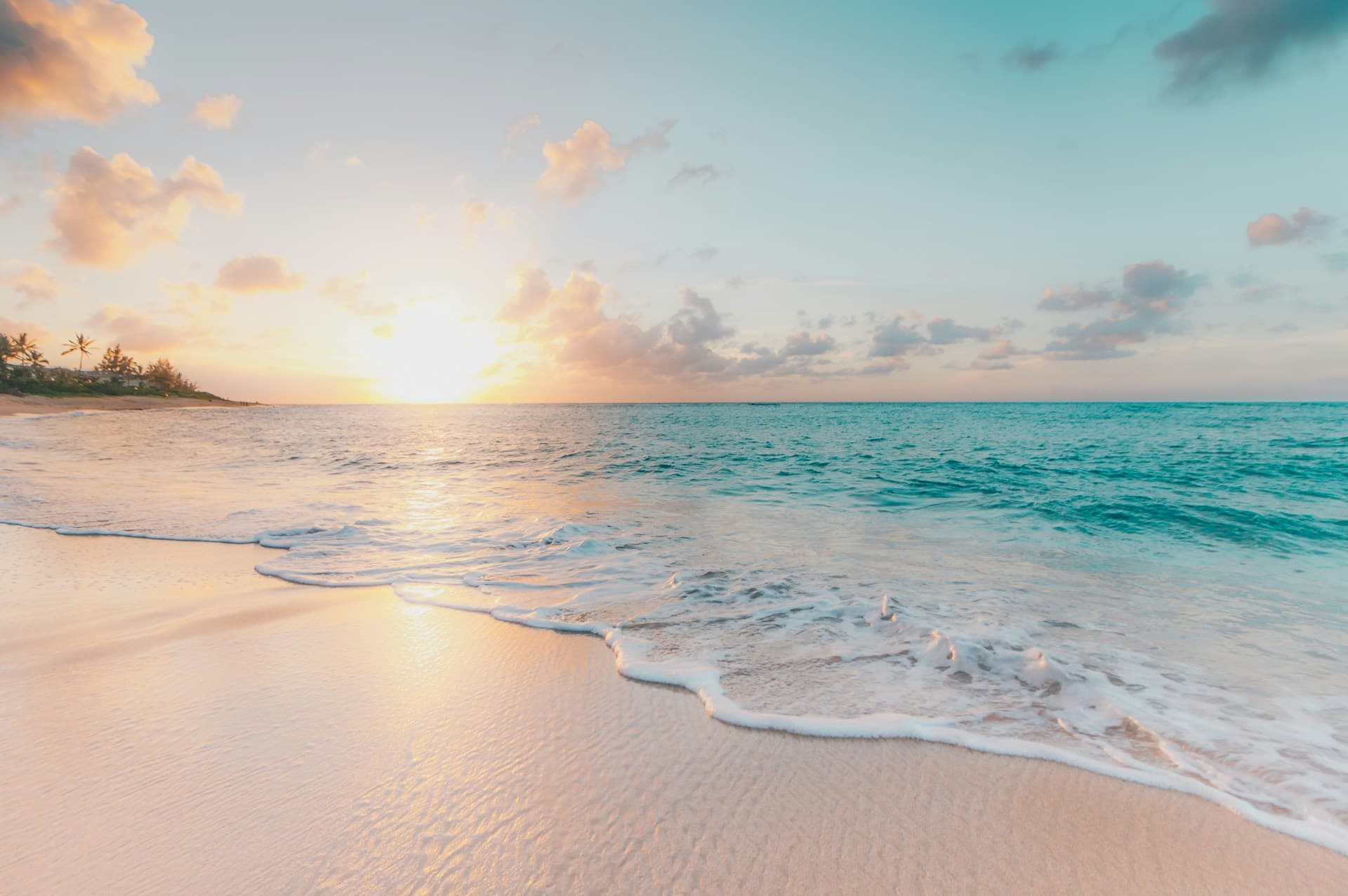

Barcelona doesn't do anything quietly. The architecture screams. The food demands attention. Even the beach feels like a production. Five days here is enough to see the major sights without rushing — and still have time to get genuinely lost in the Gothic Quarter, eat pintxos until 1am, and figure out what all the Gaudí fuss is about (the answer: it's completely justified).
Five Days at a Glance
| Day | Focus | Neighborhood |
|---|---|---|
| 1 | Arrive + Barri Gòtic | Gothic Quarter, El Born |
| 2 | Gaudí day | Eixample, Park Güell |
| 3 | Barceloneta + El Born | Waterfront, Ribera |
| 4 | Montserrat day trip | Outside Barcelona |
| 5 | Gràcia, Montjuïc, depart | Gràcia, Montjuïc Hill |
Best time to visit: April–June and September–October. July–August is scorching, packed, and expensive. February–March is quiet and cheap with comfortable temperatures around 14–17°C (57–62°F).
Average daily costs:
| Category | Budget | Mid-range | Splurge |
|---|---|---|---|
| Accommodation | €35–60 | €90–150 | €200+ |
| Food | €15–25 | €40–65 | €100+ |
| Transport | €5–8 | €10–15 | €20+ |
| Entry fees | €10–15 | €20–35 | €50+ |
Day 1: The Gothic Quarter and El Born
Land at El Prat Airport and take the Aerobus (€6.75, 35 minutes) or the Rodalies R2 Nord train (€4.60, 25 minutes) to Plaça de Catalunya. Skip the taxis unless you're traveling with a lot of luggage.
Check into your hotel and walk. The Gothic Quarter is best experienced without a plan.
Afternoon: Barri Gòtic
- Catedral de Barcelona — free entry in the early morning and after 5:30pm. The rooftop is worth the €3 separately.
- Plaça Reial — a grand neoclassical square ringed with palm trees. The lamp posts here were Gaudí's first public commission.
- Carrer del Bisbe — the bridge connecting the Gothic and the old city government buildings is one of the most photographed spots in Barcelona
- Plaça de Sant Felip Neri — quiet, bullet-scarred courtyard that feels completely removed from the tourist crowds
Evening: El Born and Pintxos
Walk 10 minutes east into El Born for dinner. Skip the tourist menus and head to:
- Bar del Pla — excellent pintxos, locals and travelers mixed, from €2/piece
- El Xampanyet — classic cava bar open since 1929. Order the house cava (~€2.50/glass) and jamón croquetas
- If you want a full dinner: Bodega Sepúlveda or La Cova Fumada (the birthplace of the original bomba, a fried potato ball with spicy sauce)
Day 2: Full Gaudí Day
Antoni Gaudí designed much of what makes Barcelona visually unmistakable. Book all Gaudí sites online in advance — queues for walk-ins can run 2–3 hours in peak season.
Morning: Sagrada Família
Arrive when it opens at 9am. Allow at least 2 hours inside.
- Basic entry: €26
- With tower access: €36 (do this — the views from the towers looking down at the nave are extraordinary)
- With guided tour: €44
The Sagrada Família has been under construction since 1882 and is expected to finally complete around 2026. The contrast between the organic, nature-inspired Nativity façade (Gaudí's original) and the angular, geometric Glory façade added after his death is worth studying up close.
Afternoon: Casa Batlló or Casa Milà
Both are on Passeig de Gràcia, Barcelona's grandest boulevard.
- Casa Batlló — more theatrical, the rooftop looks like a dragon's spine. Entry €35–49 depending on options.
- Casa Milà (La Pedrera) — larger, the rooftop chimneys look like warriors in helmets. Entry €25–32.
If you have time, walk the full length of Passeig de Gràcia and spot the Manzana de la Discòrdia (Block of Discord) — three buildings by three different modernist architects competing for attention at the same intersection.
Late Afternoon: Park Güell
Take the metro to Lesseps (L3) or Vallcarca, then walk uphill (~20 min). The Monumental Zone requires a ticket (~€10, book online) but the surrounding park is free and also beautiful.
Go in the late afternoon for softer light on the ceramic mosaic terrace. The views over Barcelona and the sea are best about an hour before sunset.
Dinner: Eixample
The Eixample has Barcelona's best mid-range dining. Try Bodega Cañete, Cerveceria Catalana (expect a queue but no reservations, so arrive at 7pm when it opens), or for something special, Tickets — the tapas bar from Albert Adrià, brother of Ferran Adrià. Book 2 months ahead.
Day 3: Barceloneta Beach and the Waterfront
Barcelona is one of the few major European cities with a working beach a 15-minute metro ride from the center. Use it.
Morning: Barceloneta
- Take the L4 to Barceloneta stop and walk toward the sea
- Barceloneta Beach is the most central but also most crowded. Walk 20 minutes north to Bogatell or Mar Bella for more space and a slightly younger vibe.
- Beach loungers rent for ~€6. Chiringuito (beach bars) sell cold Estrella and seafood from around €3 a bottle.
Midday: Seafood at La Barceloneta
The neighborhood behind the beach is full of old-school seafood restaurants. Best spots:
- La Mar Salada — excellent fideuà (noodle paella), €18–22 per main
- El Suquet de l'Almirall — one of the best seafood restaurants in the city, €30–40/person
- Budget option: buy cooked seafood to go from the market vendors near the Mercat de la Barceloneta
Afternoon: El Born and Picasso Museum
- Museu Picasso — the best collection of early Picasso in the world, housed in five medieval palaces. Entry €15, free on Sunday afternoons (queue early).
- Wander through Carrer del Rec and the small streets around the Basílica de Santa Maria del Mar — one of the finest Gothic churches in Catalonia, free entry
Evening: Rooftop Bar
Watch the sun go down from one of Barcelona's rooftop terraces:
- El Nacional Terraza — industrial rooftop with four different bar/restaurant concepts under one roof
- Hotel Arts Sky Bar — pricey (~€18 cocktails) but the view over the Olympic Port is unmatched
Day 4: Day Trip to Montserrat
Montserrat is 1.5 hours from Barcelona and one of the most dramatic landscapes in Spain — a serrated mountain range with a Benedictine monastery perched at 720 meters.
Getting there:
- R5 Manresa train from Plaça Espanya (~€8 each way, every hour) + cable car or rack railway up the mountain (~€12)
- Combined day tickets available at Plaça Espanya for ~€32 including all transport
What to do:
- Basílica de Santa Maria de Montserrat — home to La Moreneta, the Black Madonna. Free entry to the basilica. Expect a queue to see the statue.
- Sant Joan Trail — 1.5-hour hike up to Sant Joan chapel and ridge views. The trail starts from the Sant Joan funicular (€12 round trip).
- Cavall Bernat viewpoint — shorter walk, dramatic views of the rock formations
Lunch at the mountain: There's a self-service restaurant on site (~€12–16 for a meal) or bring your own. The monastery also sells local products like honey and herb liqueur.
Return to Barcelona by early evening.
Day 5: Gràcia, Montjuïc, and Farewell
Morning: Gràcia Neighborhood
Gràcia feels like a village inside a city — small plazas, independent cafés, and locals who've been coming to the same bar for 30 years.
- Mercat de l'Abaceria — the neighborhood market, less touristy than La Boqueria
- Plaça del Sol and Plaça de la Vila de Gràcia — grab coffee and watch the neighborhood wake up
- Casa Vicens — Gaudí's first major building (1883–1885), only opened to the public in 2017. Far less visited than his later works but fascinating as a starting point. Entry €16.
Afternoon: Montjuïc
Take the cable car up from Barceloneta (€12.60 one way) or the Funicular from Paral·lel metro (€2.40).
- Castell de Montjuïc — fortress with 360° views, entry €5
- Fundació Joan Miró — world-class collection of Miró's colorful, surrealist work. Entry €16.
- Olympic Stadium (Estadi Olímpic Lluís Companys) — free to walk around, used for the 1992 Summer Olympics
Head back to the airport from Plaça de Catalunya.
Essential Barcelona Tips
Transport: A T-Casual 10-trip metro card costs €12.15 and covers all metro and bus lines within Zone 1. Most of Barcelona's attractions are walkable from each other within a zone.
Language: Catalan is the first language, Spanish second. A "merci" or "gràcies" goes over better than "gracias" in local establishments.
Eating schedule: Lunch is 2–4pm, dinner is 9–11pm. Showing up at 7pm to a restaurant will often get you an empty room or a confused look.
Safety: Pickpocketing is a serious issue around La Boqueria, Las Ramblas, and the Gothic Quarter. Keep valuables in front pockets or a hidden bag.
Tickets: Book Sagrada Família, Park Güell, and Casa Batlló at least 1–2 weeks ahead in summer. The Picasso Museum also benefits from advance booking.
Build Your Barcelona Itinerary with Faroway
A five-day Barcelona itinerary sounds simple until you realize Sagrada Família sells out on weekdays in August, the Montserrat train only runs hourly, and you need to choose between Casa Batlló and Casa Milà because both in one afternoon will leave you Gaudí-overloaded.
Faroway is an AI trip planner that builds personalized day-by-day itineraries accounting for opening hours, booking requirements, and geographic logic. Tell it your travel style — heavy museum days vs. more food and wandering — and it'll generate a Barcelona plan that matches how you actually want to travel.
Topics

Written by
Faroway Team
The Faroway team is passionate about making travel planning effortless with AI. We combine travel expertise with cutting-edge technology to help you explore the world.
@farowayGet Travel Tips Delivered Weekly
Get our best travel tips, destination guides, and exclusive deals delivered straight to your inbox every week.
No spam, ever. Unsubscribe anytime.
