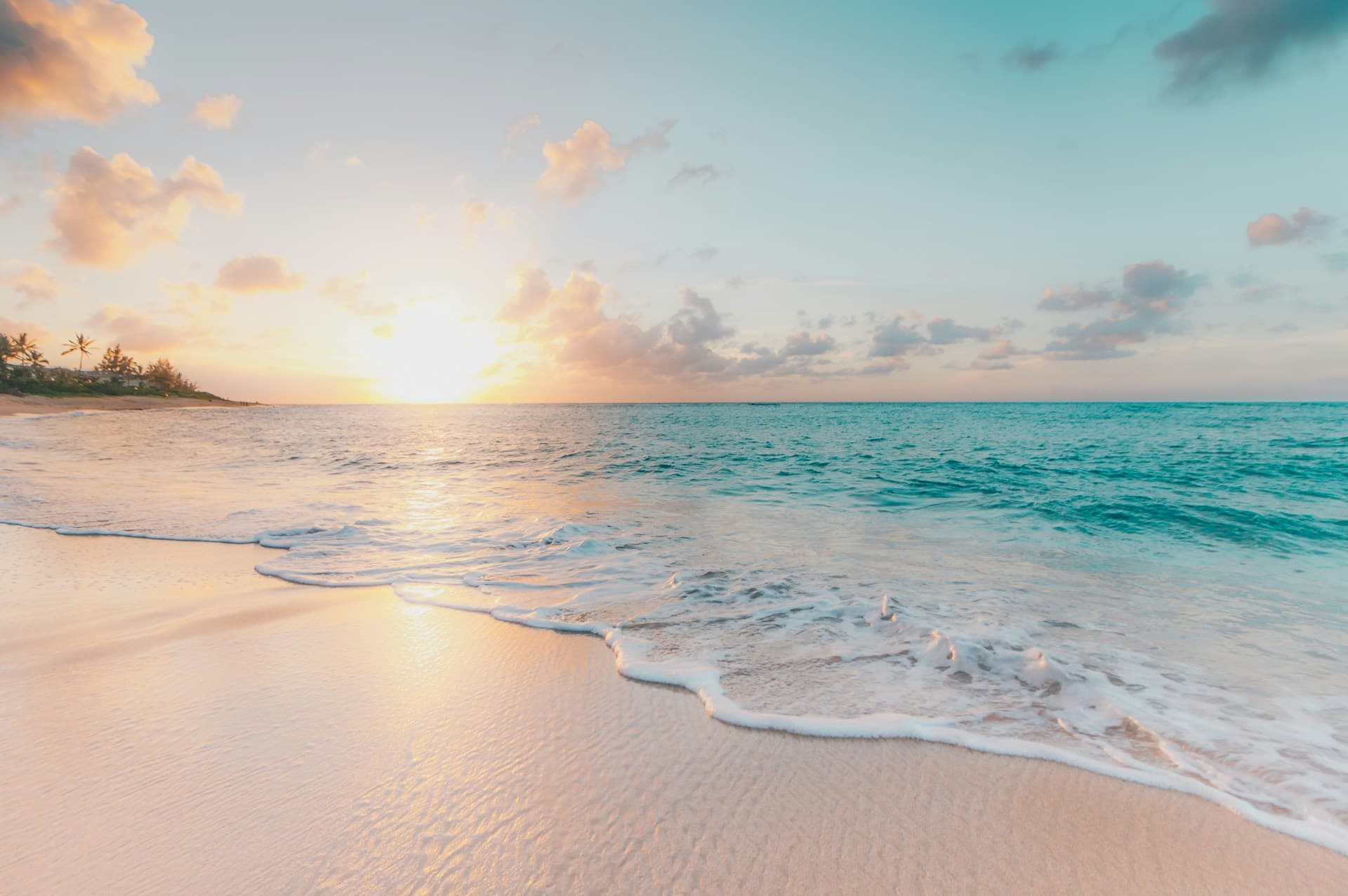
Morocco hits different than anything else in North Africa. One hour you're bartering for saffron in a 900-year-old souk, the next you're watching the sun dissolve into a copper Sahara horizon from atop a sand dune. Five days won't cover everything — but done right, it covers enough to understand why people keep coming back.
This itinerary focuses on the classic three: Marrakech, the Sahara Desert, and the Blue City of Chefchaouen — with realistic logistics, honest prices, and the transport details most guides skip.
The Reality of Five Days in Morocco
Morocco is bigger than it looks on a map, and transport between cities takes time. This itinerary requires either a domestic flight or one serious overnight bus, depending on how you structure it. Here's the honest overview:
| Day | Location | Transport |
|---|---|---|
| 1 | Marrakech — arrive, explore medina | Fly or arrive by train |
| 2 | Marrakech — day trip to Atlas Mountains | Local taxi or tour |
| 3 | Merzouga / Sahara Desert | Overnight bus or private driver |
| 4 | Fes or Chefchaouen (via Midelt/Azrou) | CTM bus or private |
| 5 | Chefchaouen — explore, depart | Fly from Fes or backtrack |
Budget estimate:
| Category | Budget | Mid-Range |
|---|---|---|
| Accommodation (5 nights) | $20–40/night riads | $80–150/night boutique riads |
| Food per day | $15–25 | $40–70 |
| Sahara 2-day tour | $80–100/person | $160–250/person |
| Intercity transport | $10–25/leg by CTM bus | $60–150 by private driver |
Morocco rewards bargaining and pre-planning in equal measure. Book your Sahara tour at least a week ahead in high season (October–November, March–April).
Day 1: Marrakech — Get Lost in the Medina
Land at Marrakech Menara Airport (RAK). Taxis to the medina cost 70–100 MAD ($7–10) — negotiate before getting in.
Check in to your riad. Marrakech riads are genuinely one of travel's great pleasures — plain exterior doors open into hidden courtyards with fountains and orange trees. Budget options: Riad Zinoun (~$35/night), Riad El Fenn (~$180/night for boutique splurge).
Afternoon: Jemaa el-Fna Square. The main square transforms through the day — juice vendors, snake charmers, and henna artists by day; food stalls, storytellers, and musicians filling every square meter by night. Get there by 6 PM when it starts to come alive. Orange juice from the vendors: 4 MAD ($0.40). Eat dinner at the square stalls — harira soup (10 MAD), grilled kefta skewers (20 MAD), and merguez sausages are the move.
Evening: Get lost in the souk. The souk behind Jemaa el-Fna is organized roughly by trade — spice sellers, leather tanners, lantern makers, fabric merchants. Don't try to navigate it perfectly. The point is the chaos. Memorize one or two landmarks (the Mouassine Fountain is useful) and you can always reorient.
Bargaining rule: First price is typically 3–5x what locals pay. Start at 30–40% of asking price and meet somewhere in between. Be relaxed — hard sells are part of the game and no one is offended when you walk away.
Day 2: Atlas Mountains Day Trip — Imlil & Kasbah
The High Atlas Mountains start just 65 km from Marrakech. The village of Imlil is the gateway to Jebel Toubkal, North Africa's highest peak at 4,167 meters.
Getting there: Shared grand taxi from Bab Rob (south side of medina) to Asni (~25 MAD), then change for Imlil (~15 MAD). Total journey about 1.5 hours. Or join an organized day tour from Marrakech (~$30–50/person including transport, guide, and lunch).
Imlil village (10 AM): Walk the Berber village, browse the small market, hire a local guide (100–150 MAD for 2–3 hours) to walk up to Kasbah du Toubkal — a beautifully restored Berber mountain refuge that also works as a lunch stop (~$20 for lunch, reservations recommended).
Ait Ben Haddou (afternoon alternative): If the Atlas Mountains feel too hiking-focused, the alternative is Ait Ben Haddou — a UNESCO-listed ksar (fortified village) 2 hours from Marrakech where Lawrence of Arabia and Gladiator were filmed. This requires a car or tour (usually combined with a Ouarzazate day trip, ~$50–70/person organized).
Back in Marrakech by 6 PM. Use the evening to pack for tomorrow's Sahara journey — bring your warmest layer. Desert nights drop to near 0°C even in spring and autumn.
Day 3: Sahara Desert — Merzouga & the Erg Chebbi Dunes
This is the longest travel day but the most transformative. Merzouga and the Erg Chebbi dunes are 560 km from Marrakech.
Option A — Overnight bus: CTM (ctm.ma) runs buses from Marrakech to Merzouga. Journey time: 9–10 hours. Departs ~9 PM, arrives ~6–7 AM. Cost: ~200 MAD ($20). The night bus saves hotel costs and maximizes your dune time.
Option B — Private driver: Many Marrakech riads can connect you with a private driver for the Sahara circuit: Marrakech → Ait Ben Haddou → Dades Gorge → Merzouga → Fes, 3 days, around $150–200/person (small group). This is how most first-timers do it — logistics handled, scenery maximized.
Arriving in Merzouga: The village itself is tiny. Every guesthouse offers camel rides and sunset dune experiences as standard. Recommended: Riad Mamouche (~$40/night with breakfast, owners are excellent) or La Maison Merzouga (~$90/night, rooftop views).
Sunset camel trek (4:30 PM): 1–2 hour camel trek to a Berber desert camp inside the dunes. Cost: typically $25–50/person including camp dinner and return ride. The Erg Chebbi dunes reach 150 meters — these are proper Sahara dunes, not the small coastal ones.
Overnight in the desert camp: Sleeping in a Berber tent with the Milky Way overhead, zero light pollution. Conditions are basic but meals are included. The sunrise at 6 AM from the dune ridge is worth every minute of sleep deprivation.
Day 4: Merzouga to Chefchaouen via Fes
The northern route home passes through Midelt, Azrou, and Fes — Morocco's second great imperial city.
Morning departure from Merzouga: Shared CTM bus toward Fes at 8 AM (~180 MAD, 6 hours). Or private driver from your guesthouse (~80–120 MAD per person if filling the car with other travelers).
Stop in Midelt (12 PM): Tiny mountain town at 1,500m elevation, halfway between Sahara and Mediterranean Morocco. The apple orchards here produce some of Morocco's best fruit — grab a bag for $1–2. Lunch at a local café: tajine for 40–50 MAD.
Arrive Fes (4–5 PM): If you have energy, Fes el-Bali (the old walled city) deserves a quick evening explore — it's genuinely older and more complex than Marrakech's medina. The Chouara Tannery (leather dyeing) is best viewed from one of the surrounding leather shop terraces, especially in the late afternoon light.
Stay in Fes or push to Chefchaouen: Fes to Chefchaouen is 4 hours by bus. If arriving late, sleep in Fes (budget options in the medina: ~$20–30/night). Depart for Chefchaouen first thing on Day 5.
Alternatively, take a night bus or taxi from Fes directly to Chefchaouen — grand taxis to Chefchaouen run from Fes for ~120 MAD/seat (shared). Journey: 3.5 hours.
Day 5: Chefchaouen — The Blue City
Chefchaouen is genuinely one of the most photogenic places on earth — and unlike most overused superlatives, this one holds up in person. The entire medina is painted in shades of blue: cobalt, powder, midnight, and turquoise. No one fully agrees on why, but theories range from Jewish influence in the 15th century to mosquito deterrence to just aesthetic tradition.
Morning: Explore the medina on foot. The old town is small enough to cover in 2–3 hours. Highlights:
- Place Uta el-Hammam: The main square, shaded by cedar trees. Breakfast at a café here: mint tea + msemen (Moroccan flatbread) + honey, 25–35 MAD total.
- The Grand Mosque: You can't enter (closed to non-Muslims) but the octagonal minaret is the most photographed in Morocco.
- The Kasbah: Small museum inside, garden perfect for quiet time. Entry: 10 MAD.
Hiking to Spanish Mosque (11 AM): 45-minute hike up the hillside from the medina brings you to an abandoned mosque with views over the blue city below. Go early to avoid heat. Best light for photography: golden hour (7–8 AM, or 5–6 PM).
Shopping in Chefchaouen: The city specializes in wool goods — blankets, rugs, and the distinctive Chefchaouen stripes (red-and-white striped cloth). More relaxed bargaining atmosphere than Marrakech. A good wool blanket runs 150–300 MAD; a handmade rug, 400–800 MAD.
Departure logistics:
- Fly from Fes or Tangier (both require a 2–4 hour bus/taxi)
- CTM buses to Casablanca (for international connections) leave daily, ~5 hours, 120 MAD
- Grand taxis to Tetouan/Tangier if catching a ferry to Spain, 80–100 MAD/seat
Transport Between Cities: The Real Picture
Morocco's intercity transport confuses first-timers. Here's the simplified breakdown:
CTM Bus (ctm.ma): Most reliable, bookable online, fixed schedules. Best for longer routes (Marrakech–Fes, Fes–Chefchaouen).
Supratours (oncfvoyages.ma): Affiliated with ONCF rail and good for routes that connect to train stations. Often has AC and assigned seats.
Grand Taxis: Shared long-distance taxis (6 passengers). Faster than buses on some routes, leaves when full. Negotiate price before boarding.
Train (ONCF): Only covers major cities (Casablanca, Rabat, Fes, Tangier, Marrakech). Reliable and comfortable. Not useful for the Sahara or Chefchaouen.
Private driver: The most comfortable option, can stop at viewpoints en route, and only makes sense price-wise with 3+ people sharing.
Planning Morocco with Faroway
Morocco's logistics — timing desert tours around Ramadan, figuring out whether to bus or drive, knowing which riads are worth booking in advance — can take hours to piece together from 15 different travel forums. Faroway builds personalized Morocco itineraries based on your dates, travel style, and which highlights matter most to you.
If you want to extend to 10 days and add the Draa Valley, Essaouira, or a proper Toubkal trek, Faroway can build that out too — with daily logistics, transport options, and accommodation recommendations calibrated to your budget.
Morocco Practical Notes
Bargaining: Expected in souks, not in restaurants or shops with fixed prices. Keep it friendly and walk away if you're not close.
Currency: Moroccan Dirham (MAD). 1 USD ≈ 10 MAD. Cash is king in most of Morocco — carry enough for markets and small guesthouses.
Religion/dress code: Morocco is a Muslim country. Outside of beach resorts, dress conservatively — shoulders and knees covered, especially in medinas and smaller towns. This matters more for women but applies to everyone.
Internet: SIM cards from Maroc Telecom or Orange are cheap (50 MAD for a card + 10GB data). Buy at the airport.
Safety: Morocco is generally safe for tourists. The main nuisance is persistent "guides" in medinas who will follow you uninvited. A firm "la shukran" (no thank you) and confident stride is the best deterrent.
Ready to plan your Morocco trip? Head to Faroway, enter your travel dates and interests, and get a custom Morocco itinerary that handles the logistics — so you can focus on the magic.
Topics

Written by
Faroway Team
The Faroway team is passionate about making travel planning effortless with AI. We combine travel expertise with cutting-edge technology to help you explore the world.
@farowayGet Travel Tips Delivered Weekly
Get our best travel tips, destination guides, and exclusive deals delivered straight to your inbox every week.
No spam, ever. Unsubscribe anytime.