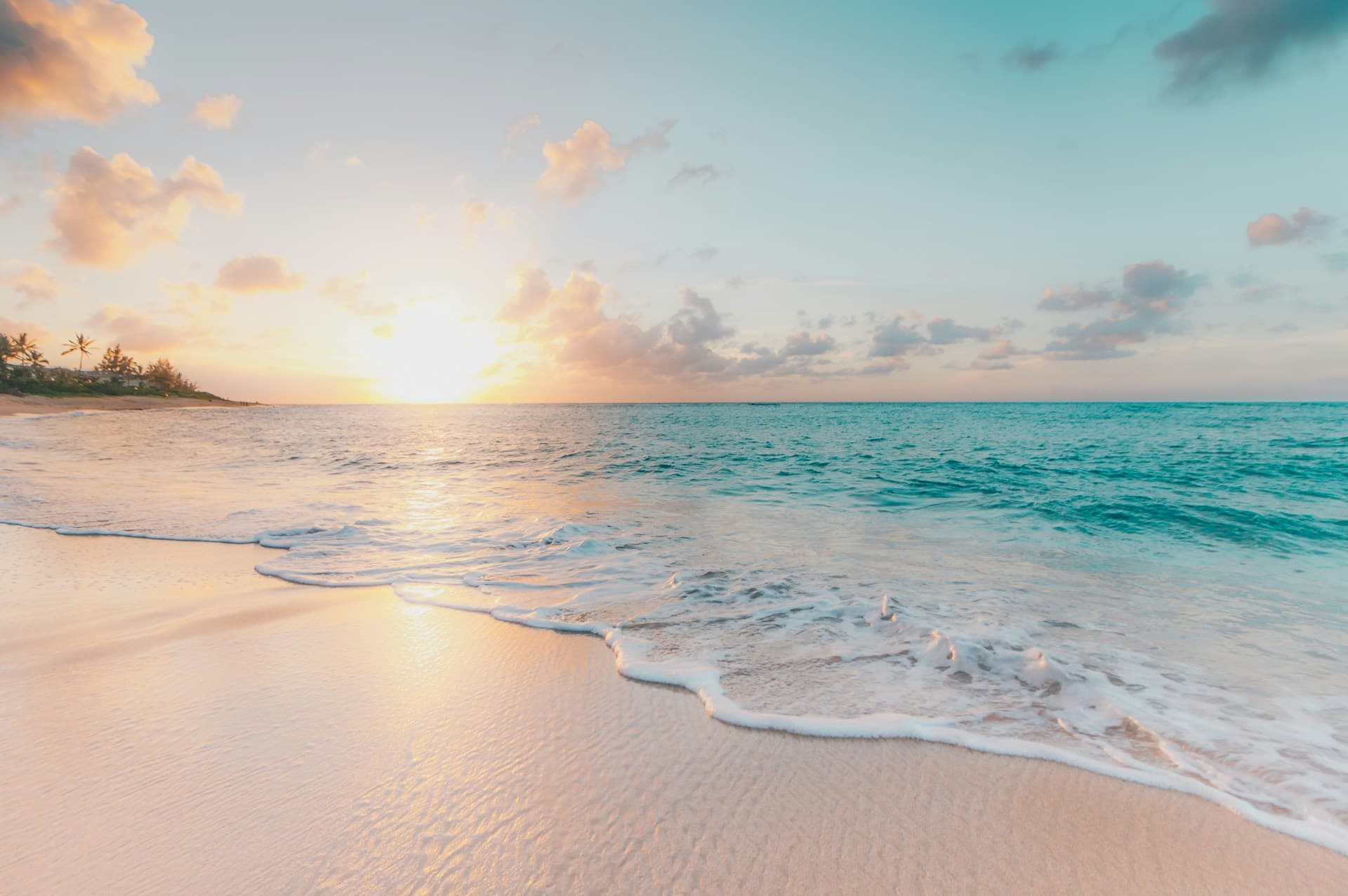
Costa Rica packs more biodiversity per square mile than almost anywhere on Earth — cloud forests, active volcanoes, Pacific beaches, and Caribbean jungle, all within a country smaller than West Virginia. Seven days is enough to hit the headliners without feeling rushed, provided you plan the logistics right.
This itinerary connects San José → Arenal → Monteverde → Manuel Antonio, a classic loop that covers the country's most iconic ecosystems. No backtracking, manageable drives, and enough flexibility to slot in a beach day or extra canopy tour if the mood strikes.
Quick Facts
| Detail | Info |
|---|---|
| Best months | Dec–Apr (dry season); Jul–Aug (green season shoulder) |
| Currency | Costa Rican Colón (₡) — USD widely accepted |
| Language | Spanish (English common in tourist areas) |
| Voltage | 120V / 60Hz (same as US plugs) |
| Visas | 90-day tourist entry for US/EU/UK citizens |
| Budget range | ~$80–$180/day (mid-range); $200+ (luxury eco-lodges) |
Day 1 — San José: Arrive & Recover
Fly into Juan Santamaría International Airport (SJO). Most international flights land in the afternoon or evening, so Day 1 is about settling in, not sightseeing.
Where to stay: Barrio Escalante is San José's most walkable neighborhood — good restaurants, boutique hotels, and easy Uber access. The Hotel Grano de Oro (~$130/night) is a Victorian-era mansion with one of the city's best restaurants. Budget option: Selina San José (~$25/dorm, $70/private).
Evening: Grab dinner at Sikwa (indigenous-inspired tasting menu, ~$45/person) or keep it simple at La Soda Tapia, a classic local soda (lunch counter) open 24 hours.
Transport note: Ubers are plentiful and cheap from the airport. Avoid the metered taxis outside arrivals — negotiate price upfront or take rideshare.
Day 2 — San José → Arenal Volcano: Lava, Hot Springs & Jungle
Drive time: ~3.5 hours via Route 1 and Route 142. Rent a car in San José (budget ~$40–$60/day for a 4WD, required for Monteverde later). Alternatively, shared shuttle services like Interbus or Greyline run door-to-door for ~$55/person.
The road into La Fortuna, the gateway town to Arenal, winds through pineapple fields and rainforest. Arenal Volcano dominates the skyline at 1,670 meters — on clear mornings, you can see steam rising from the crater.
Afternoon: Hike Arenal 1968 Trail ($18 entry), which follows the path of the 1968 eruption and has open lava fields and unobstructed volcano views. The 2-3 hour moderate hike ends at an observation deck.
Evening: Arenal's hot springs are legendary. Tabacón Grand Spa & Thermal Resort is the premium option (day pass ~$85) with multiple cascading pools fed by the volcano's geothermal heat. Budget pick: Baldi Hot Springs (~$40) is packed but fun.
Where to stay: Nayara Springs (~$500+/night) is one of Central America's finest boutique resorts, with private plunge pools and butler service. Mid-range: Hotel Arenal Manoa (~$120/night) with volcano views and a small thermal pool.
Day 3 — Arenal: Canyoning, Kayaking & Hanging Bridges
A full day around Arenal gives you time to pick an adventure without rushing.
Morning options (pick one):
- Sky Adventures Arenal — zip line park with hanging bridges and volcano views ($85–$120 depending on combo)
- Arenal Hanging Bridges — 3km walking trail over 16 bridges through primary rainforest ($28) — excellent for birding (look for toucans, mot-mots, and aracaris)
- White-water rafting on the Balsa River — full-day guided trip ~$75–$90 (Class II–III, suitable for beginners)
Afternoon: Lake Arenal is the largest lake in Central Rica and great for kayaking or stand-up paddleboarding. Rent equipment at the lakeside for ~$15/hour or join a guided tour.
Dinner: La Fortuna has solid food options. Restaurante Don Rufino serves excellent Costa Rican-style steaks and fresh fish with volcano views (~$25–$40/person).
Day 4 — Arenal → Monteverde: Cloud Forest & Canopy
Drive time: ~3.5 hours via the Río Chiquito ferry crossing (saves 2 hours vs. going around the lake). The ferry ride itself is a scenic 30-minute crossing — $15 for car + driver.
Monteverde Cloud Forest sits at 1,400–1,800 meters elevation. The temperature drops noticeably — bring a light jacket even in dry season. The cloud forest receives moisture-laden trade winds from the Caribbean, creating a perpetually misty ecosystem unlike anywhere else in Costa Rica.
Afternoon arrival: Drop bags at your hotel, then walk the main street of Santa Elena — the village has excellent local sodas, chocolate shops (try Monteverde Chocolate Tour for a 90-minute bean-to-bar experience, ~$20), and gear rental shops.
Late afternoon: Reserva Biológica Bosque Nuboso Monteverde closes at 4pm, so save the full hike for tomorrow. Instead, visit Selvatura Park for a twilight hanging bridges walk when wildlife activity peaks.
Where to stay: El Establo Mountain Hotel (~$150/night) has great cloud forest views and a butterfly garden. Budget: Sleepers Sleep Cheaper hostel (~$18/dorm).
Day 5 — Monteverde: Zip Lines & Wildlife Spotting
Monteverde is the birthplace of zip-line eco-tourism — the first commercial zip line canopy tour was built here in 1994 by a biologist trying to fund cloud forest conservation.
Morning: Monteverde Cloud Forest Reserve opens at 7am — arrive early to beat tour groups and maximize wildlife sightings. The reserve costs $25 entry (hire a certified guide for an additional $20, worth every cent for spotting camouflaged species). Target species: resplendent quetzal (most visible Feb–May), three-wattled bellbird, coati, howler monkeys.
Afternoon: The Original Canopy Tour (~$45) or 100% Aventura ($75–$110) are both excellent. 100% Aventura has the longest zip line in Latin America at 1.6km. If heights aren't your thing, Finca Ecológica Wildlife Refuge offers a gentler two-hour walk with high chances of peccaries, armadillos, and coatis.
Evening: Owl watching night tours depart from several operators at 5:30pm (~$25). A surprisingly memorable experience with good guides.
Day 6 — Monteverde → Manuel Antonio: Pacific Coast
Drive time: ~4.5 hours to Quepos, the gateway town to Manuel Antonio National Park. The drive crosses the mountains and descends to the Pacific lowlands — the temperature shift is dramatic.
Manuel Antonio is arguably Costa Rica's most celebrated park: white-sand beaches, coral reefs, and one of the highest densities of wildlife in the country, including three-toed sloths, white-faced capuchin monkeys, and scarlet macaws.
Check in, decompress. If you arrive before dark, grab a quick swim at Playa Biesanz, a small sheltered cove 10 minutes from Quepos with calm water and almost no crowds ($5 entry).
Where to stay: Si Como No Resort (~$200/night) is a benchmark eco-lodge with a butterfly garden, two pools, and forest-facing rooms. Budget: Hostel Vista Serena (~$20/dorm), perched on the hillside with valley views.
Dinner: La Cantina in Quepos does excellent ceviche and fresh snapper for under $20/person.
Day 7 — Manuel Antonio National Park & Fly Home
Morning: Arrive at the park gate when it opens at 7am ($20 entry). The park limits daily visitors to 1,500 people — advance online booking recommended during peak season. A certified guide (~$25 for 2 hours) massively increases wildlife-spotting success.
The essential loop: Main beach (Playa Manuel Antonio) → Mirador trail → Cathedral Point viewpoint → Playa Escondida. Total: 3–4 hours at a relaxed pace.
Wildlife checklist for the park:
- Three-toed sloth (usually in cecropia trees near the first beach)
- White-faced capuchin monkeys (practically approach tourists)
- Scarlet macaws (flying between palms, loud and unmissable)
- White-nosed coati (beach scavengers — guard your snacks)
- Agoutis and iguanas (ground-level throughout)
Afternoon: Fly out of Quepos (XQP) on a domestic flight to San José (~$60–$90, 20 minutes) if your international departure is evening. Or drive back to SJO in ~3.5 hours. Direct international flights from Liberia (LIR) are worth considering if you book the right routing.
Transportation Summary
| Leg | Method | Cost | Notes |
|---|---|---|---|
| Airport → San José | Uber | $15–$25 | Cheaper than taxi |
| San José → Arenal | Shuttle or car | $55 (shuttle) / $40/day (car) | Shuttle easier; car = flexibility |
| Arenal → Monteverde | Car + ferry | $15 ferry | 4WD recommended |
| Monteverde → Manuel Antonio | Car or shuttle | $50 (shuttle) | Shuttle simpler, no mountain driving |
| Manuel Antonio → SJO | Domestic flight or drive | $60–$90 flight | Flight saves 3+ hours |
Budget Breakdown (Mid-Range, Per Person)
| Category | 7-Day Total |
|---|---|
| Accommodation | $420–$700 |
| Food & drink | $280–$420 |
| Activities & tours | $250–$400 |
| Transport | $180–$280 |
| Park fees & entry | $80–$120 |
| Total | $1,210–$1,920 |
Luxury eco-lodges and private guides push this significantly higher. Budget travelers staying in hostels and cooking occasionally can do it for $700–$900.
Practical Tips
Best time to visit: December–April is peak dry season on the Pacific side. The "green season" (May–November) means fewer tourists, lower prices, and lusher landscapes — but afternoon rains are reliable. July–August is a microseason of drier weather.
Pack: Lightweight rain jacket (always), quick-dry clothes, waterproof sandals, insect repellent (DEET), biodegradable sunscreen (required in national parks).
Health: No vaccinations required, but Hepatitis A and typhoid are recommended. Tap water is safe to drink in most of Costa Rica — a rarity in Central America.
Wildlife etiquette: Don't feed animals (monkeys especially — human food disrupts their social hierarchies and makes them aggressive). Stay 2 meters from all wildlife. Hire certified naturalist guides whenever possible; their fees fund conservation directly.
Plan Your Pura Vida Trip with Faroway
Seven days sounds like plenty until you start counting drive times, booking tours, and figuring out which eco-lodge is actually inside the park versus a 40-minute uphill drive. Faroway builds your personalized Costa Rica itinerary in minutes — accounting for your travel style, budget, how many kids you're dragging along, and whether you'd rather zip-line or birdwatch on Day 3.
Tell Faroway your dates, your vibe, and your must-sees. It handles the rest — tailored day-by-day plans, real logistics, and zero generic filler. Give it a try before you book a single thing.
Topics

Written by
Faroway Team
The Faroway team is passionate about making travel planning effortless with AI. We combine travel expertise with cutting-edge technology to help you explore the world.
@farowayGet Travel Tips Delivered Weekly
Get our best travel tips, destination guides, and exclusive deals delivered straight to your inbox every week.
No spam, ever. Unsubscribe anytime.