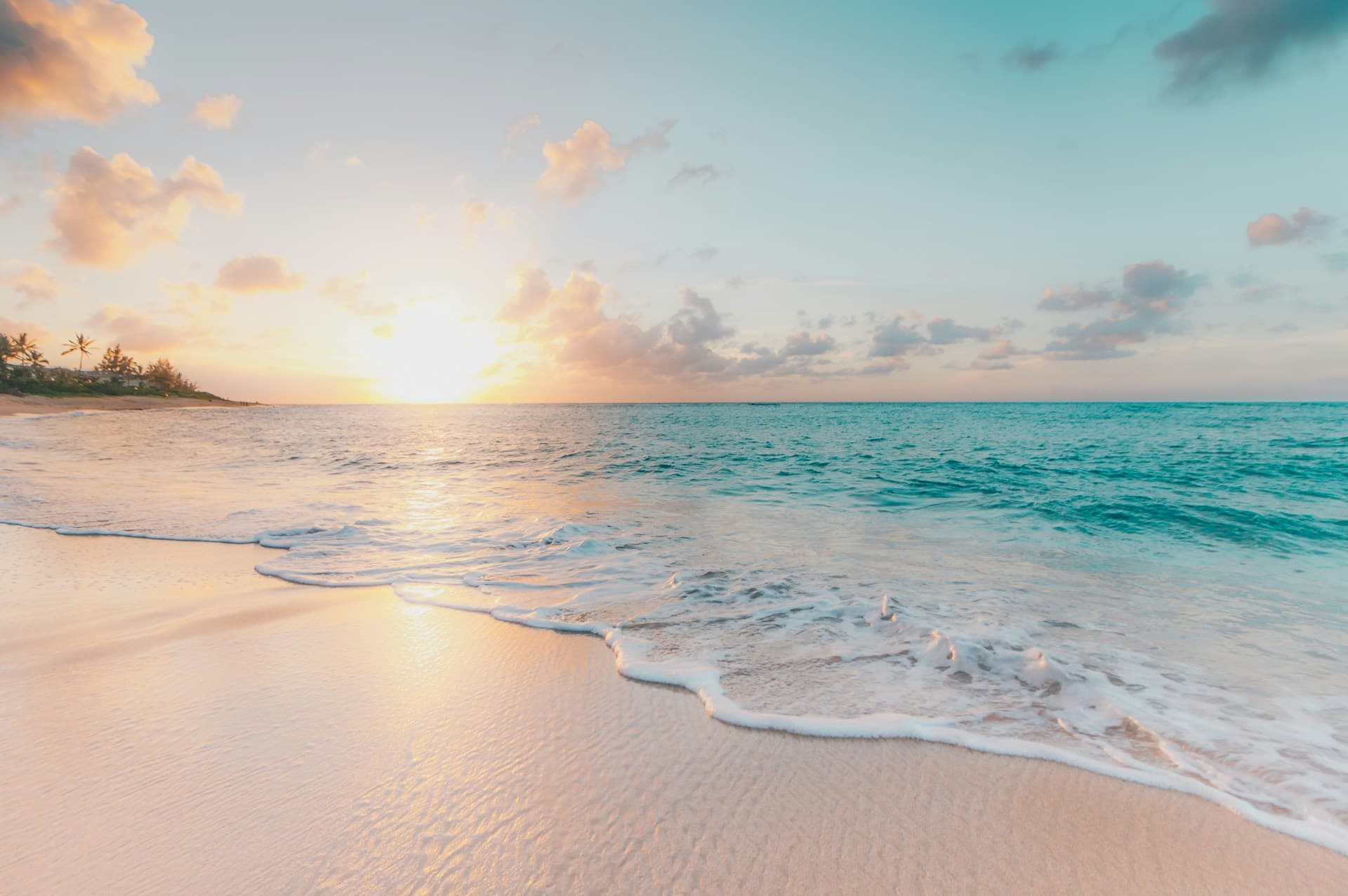

Hoi An is the kind of place that sneaks up on you. You plan three days and end up staying a week. The lantern-lit Ancient Town, the tailor shops on every corner, the noodle soup that costs $1.50 and tastes like it should cost forty — it rewires your expectations of what a trip can be. But Hoi An also has a microclimate that will absolutely ruin you if you're underprepared. High humidity, surprise afternoon downpours, muddy alleyways, and then a beach 4 km away. Your packing list has to do a lot of work.
Here's exactly what to bring — and what to skip.
Understanding Hoi An's Climate
Hoi An sits in central Vietnam, and its seasons are distinct. Get this wrong and you'll be miserable.
| Season | Months | What to Expect |
|---|---|---|
| Dry & Hot | Feb – Aug | 30–38°C, humid, little rain — your lightest clothes |
| Wet Season | Sep – Nov | Heavy monsoon rains, possible flooding in the Ancient Town |
| Cool & Dry | Dec – Jan | 18–25°C, occasional drizzle — light layers needed |
| Shoulder | Feb, Aug | Transitional — pack for both rain and heat |
The most important thing to know: even in dry season, afternoon thunderstorms happen. A packable rain jacket isn't optional.
Clothing: The Core of Your Hoi An Packing List
The Heat Strategy
Hoi An is brutally hot and humid from April through August. Anything that traps heat will make you regret leaving home. The goal is fabric that breathes, dries fast, and doesn't show sweat through.
Must-pack clothing items:
- 3–4 lightweight linen or moisture-wicking shirts — cotton is your enemy above 34°C; linen and synthetic blends survive
- 2 pairs of lightweight pants or capris — required for temple visits; also protects from mosquitoes at dusk
- 1–2 casual dresses or sarongs (for women) — doubles as beach cover-up and temple wear
- 1 pair of long pants — for air-conditioned restaurants and overnight buses if you're continuing north
- Shorts (2–3 pairs) — for the beach at An Bang or Cua Dai
- 1 light cardigan or thin long-sleeve layer — for overly air-conditioned buses, restaurants, and the odd cool evening
Temple and Pagoda Dress Code
Hoi An's temples, pagodas, and the Japanese Covered Bridge require covered shoulders and knees. You'll see tourists turned away or handed uncomfortable wraps at the entrance. Pack at least one outfit that covers both.
Tip: A lightweight cotton scarf doubles as a shoulder cover, sun protection, and a makeshift towel on day trips.
Footwear
This is where most travelers underpack.
- Comfortable sandals with support (Birkenstocks, Tevas, Chacos) — you'll walk 10–15 km daily on uneven stone paths in the Ancient Town
- Water shoes or reef walkers — the My Son sanctuary site can be muddy; An Bang beach has some rocky sections
- One pair of lightweight closed-toe shoes — optional but useful for longer cycling trips or if you're taking a cooking class
- Skip bulky sneakers unless you're doing serious hiking — they're heavy and won't dry in time if they get wet
The Rain Gear Problem
Don't skip this section. Hoi An floods. During typhoon season (September–November), the ground floor of many Ancient Town restaurants genuinely goes underwater, and locals have perfected the art of moving furniture to the second floor. Even outside monsoon season, sudden downpours soak you in 90 seconds.
What to bring:
- Packable rain jacket — get one that compresses to fist-size; North Face Venture 2 or similar; $60–$120, worth every cent
- Dry bags or waterproof pouches — for your phone, passport, and electronics when riding a motorbike in rain
- Quick-dry everything — if your clothes take 48 hours to dry, you'll run out in a wet week
What locals do: Rent a cheap plastic poncho from any street vendor for ~30,000 VND ($1.20) the moment it starts looking gray. That's fine too. But your electronics still need protection.
Electronics and Gear
Power and Adapters
Vietnam uses Type A, B, and C plugs (two-pin and three-pin). The voltage is 220V. American travelers need a plug adapter; most modern devices handle the voltage automatically, but check your charger bricks.
- Universal travel adapter — one covers all of Southeast Asia
- Portable power bank (10,000–20,000 mAh) — critical for full days exploring without heading back to charge
- USB-C and Lightning cables (whatever you use)
- Small portable fan — sounds silly but a handheld USB fan is genuinely lifesaving during August temple visits
Photography
Hoi An is one of the most photographed cities in Southeast Asia for good reason. The lantern-lit evenings, the yellow walls, the boats on the Thu Bon River — you will take more photos than you planned.
- Bring a fully charged camera or an extra phone battery
- A waterproof case for your phone for rainy days and boat trips
- Arrive at the Ancient Town before 8 AM for crowd-free photos — post-9 AM it gets packed
Health and Toiletries
Sun Protection
The UV index in Hoi An hits 11+ during summer months. This is "extreme" territory — the kind where fair-skinned travelers burn in under 20 minutes.
- SPF 50+ sunscreen — bring from home; local options are available but often whitening formulas
- Aloe vera gel or aftersun lotion — small tube for relief
- Lip balm with SPF
- Sunglasses with UV protection — polarized lenses help on the beach and river
Mosquito and Bug Prep
Hoi An has mosquitoes, particularly around the rice paddies and the river at dusk. Dengue fever is present in Vietnam; taking precautions is sensible.
- DEET-based repellent (30–50%) or a picaridin alternative
- Permethrin spray for treating clothes if you're staying in guesthouses with open windows
- Long-sleeve layer for evening walks along the river
Medical Basics
Vietnam's pharmacies (nhà thuốc) are excellent and cheap, found on every block in Hoi An. You can buy most things there. But a small kit saves a trip:
| Item | Why |
|---|---|
| Oral rehydration salts | Inevitable with the heat and street food |
| Imodium / Pepto | Street food stomach happens |
| Antihistamine | Insect bites, dust, new foods |
| Pain reliever (ibuprofen) | Long walking days, heat headaches |
| Band-aids | Sandal blisters on uneven cobblestones |
Documents and Money
What to Carry
Vietnam requires a visa for most nationalities (the e-Visa covers 90 days, processed in 3 business days at $25 USD). Have printed and digital copies of everything.
- Passport — keep the original in your accommodation safe; carry a color photocopy
- E-Visa printout — some guesthouses and tour operators ask to see it
- Travel insurance documents — printed and saved to cloud storage
- Yellow fever certificate — if coming from a country with active yellow fever risk
Cash vs. Card
Hoi An is largely a cash economy. The Ancient Town's tailor shops, market stalls, and most street food vendors don't take cards.
- Withdraw Vietnamese Dong (VND) from ATMs at Vietcombank or Techcombank — they have low fees (~30,000–50,000 VND per transaction)
- Budget ~500,000–800,000 VND/day ($20–$32) for food, transport, and entry fees at a comfortable mid-range pace
- Bring a no-foreign-transaction-fee card as backup (Charles Schwab, Capital One Venture, Chase Sapphire)
What NOT to Pack
- Hair dryer — every guesthouse and hotel in Hoi An provides one
- Travel towel — unless you're staying in a dorm; almost all accommodations provide towels
- Heavy jeans — they don't dry, they're too hot, and they take up half your bag
- Expensive jewelry — you won't wear it, and the tailor market will sell you something more interesting
- More than one pair of dress shoes — you won't need them
The Tailor Exception
One of the most famous things to do in Hoi An is getting custom clothing made. Yaly Couture, Bebe Tailor, and A Dong Silk are the most-recommended shops, each charging $30–$80 for a custom dress or suit depending on fabric.
The packing implication: leave some room in your bag or bring a foldable duffel for the return journey. You will buy clothes here. This is not negotiable.
Plan Your Trip with Faroway
Packing is only one piece of the puzzle. If you want a day-by-day Hoi An itinerary tailored to your travel style, budget, and travel dates — including which neighborhoods to base yourself in, the best day trips to My Son or Da Nang, and how to time the Full Moon Lantern Festival — Faroway can build your personalized plan in seconds.
Tell it your interests, your pace, and your budget. It handles the rest, from morning coffee spots in the Ancient Town to the best sunset position on the Thu Bon River.
Hoi An rewards slow travelers who planned well. Make sure you're one of them.
Topics

Written by
Faroway Team
The Faroway team is passionate about making travel planning effortless with AI. We combine travel expertise with cutting-edge technology to help you explore the world.
@farowayGet Travel Tips Delivered Weekly
Get our best travel tips, destination guides, and exclusive deals delivered straight to your inbox every week.
No spam, ever. Unsubscribe anytime.

