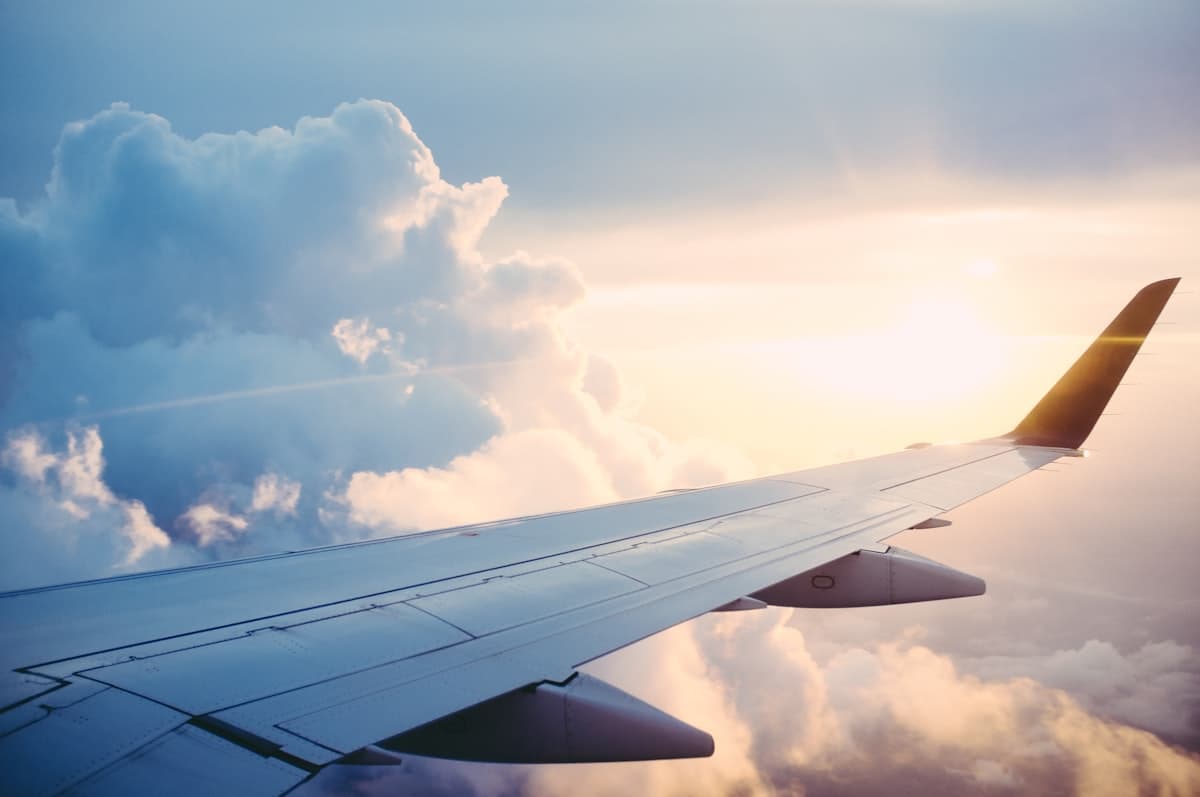
Your alarm goes off at 7 AM in Tokyo. Your body insists it's 2 PM the previous afternoon in Los Angeles. You lie there, wide awake and vaguely furious, knowing you have a full day of temples and ramen ahead of you — if only your brain would cooperate.
Jet lag is real, physiological, and deeply annoying. But it's also mostly beatable if you know what you're doing. Here's what actually works.
What Is Jet Lag, Really?
Jet lag happens when your circadian rhythm — the internal 24-hour clock regulated by your hypothalamus — falls out of sync with the local day-night cycle. The faster you cross time zones, the worse the mismatch.
Your body clock is anchored to light cues. When you arrive somewhere and the sun sets at the "wrong" time relative to your internal clock, your body gets confused about when to produce melatonin (the sleep hormone), cortisol (the wake hormone), and digestive enzymes. The result: poor sleep, grogginess, disrupted digestion, and general brain fog.
Key facts:
- Your body adjusts roughly 1 time zone per day without intervention
- Eastward travel is harder than westward (you're shortening your day, which fights the body's natural ~24.2-hour cycle)
- Symptoms typically peak on day 2-3 after arrival
Before You Fly: Set Yourself Up Right
Shift Your Sleep Schedule Early
Starting 2-3 days before a long eastward trip, go to bed 1 hour earlier each night. For westward trips, stay up 1 hour later. It sounds tedious, but even a 2-hour pre-adjustment cuts recovery time nearly in half.
Apps like Timeshifter (free tier available, premium ~$9.99) calculate personalized shift schedules based on your itinerary. Former NASA astronaut sleep scientist Cheri Mah helped develop it — the science is solid.
Hydrate Aggressively
Airplane cabins are pressurized to 6,000-8,000 feet altitude with humidity as low as 10-20% — drier than most deserts. Dehydration worsens jet lag symptoms significantly. Drink at least 8 oz of water per hour of flight. Avoid alcohol entirely on red-eyes; it suppresses REM sleep and costs you 2-3x the hydration.
Pick Your Seat Strategically
- Eastward overnight flights: Window seat on the south side of the plane gets more sun exposure in the morning — helpful for resetting your clock faster
- If you need to sleep: Bulkhead or exit row, earplugs, sleep mask, neck pillow
- Avoid: Middle seats (disturbed sleep = worse jet lag)
During the Flight
Set Your Watch to Destination Time Immediately
This is psychological priming, but it works. The moment you board, set your watch (and phone) to your destination's time zone. Eat, sleep, and operate on destination time during the flight.
If your destination is in daytime when you land, stay awake on the plane. If it's nighttime, sleep — even just 2-3 hours helps.
Use Melatonin Strategically
Melatonin isn't a sleeping pill — it's a time signal. Taken at the right time, it tells your body "it's nighttime here now." Taken at the wrong time, it makes jet lag worse.
| Direction | When to Take Melatonin | Dose |
|---|---|---|
| Eastward travel | 30 min before local bedtime at destination | 0.5–1 mg |
| Westward travel | Usually not needed; optional at local bedtime | 0.5–1 mg |
| Night flight (arriving morning) | Avoid — you want to be awake on arrival | — |
The research supports low doses (0.5 mg) as effective as high doses (5 mg) for circadian resetting, with fewer side effects. Higher doses may cause morning grogginess.
Avoid Sleep Aids That Aren't Melatonin
Prescription sleeping pills and antihistamines like diphenhydramine (Benadryl) suppress REM sleep and cause hangover effects. They'll knock you out but leave you groggy and do nothing to reset your clock. If you genuinely need pharmaceutical help, ask your doctor about low-dose melatonin agonists like ramelteon, which are specifically designed for circadian rhythm adjustment.
On Arrival: The Critical 48 Hours
Get Outside Immediately
Light is the single most powerful jet lag remedy. Natural sunlight directly suppresses melatonin and signals to your suprachiasmatic nucleus (the brain's master clock) what time it is.
The goal depends on your direction:
- Eastward arrival: Get bright light in the morning. Go outside by 8-10 AM. Avoid bright light in the late evening for the first 2-3 days.
- Westward arrival: Seek afternoon and evening light. Stay outside until sunset if possible.
Even on cloudy days, outdoor light (1,000-10,000 lux) is far stronger than indoor lighting (~500 lux). Don't skip this step.
Don't Nap — Or Nap Smart
The universal advice is "no naps." The better advice: a 20-minute nap before 3 PM local time is fine; anything longer or later will derail your night.
If you're absolutely wrecked — the can't-function-safely kind of tired — a 20-minute power nap refreshes cognition without suppressing nighttime sleep. Set an alarm. Do not lie down on a soft bed. Sit in a chair or find a café.
Time Your Caffeine
Caffeine's half-life is 5-6 hours. Drink your last coffee by 2 PM local time. Morning coffee accelerates alertness and can help anchor your wake schedule — just don't use it as a crutch all day or it'll wreck your night sleep.
At the Hotel: Sleep Environment Hacks
Make the Room Dark
Most hotel blackout curtains are mediocre. Pack a sleep mask (the contoured 3D kind, not the flat foam ones). Consider a small strip of gaffer tape or binder clips to seal the gap in hotel curtains — it sounds extreme until you've had a Tokyo sunrise pour through a 2-inch curtain gap at 4:30 AM.
Temperature Matters
Your body naturally drops 1-2°F during sleep. A cooler room (65-68°F / 18-20°C) accelerates this process. Set the AC lower than you think you need.
Use White Noise
Unfamiliar environments trigger a phenomenon called "first-night effect" — one brain hemisphere stays more alert in new surroundings. White noise or a fan masks unfamiliar sounds that would otherwise pull you into lighter sleep stages. Free apps: Calm, White Noise Lite, or simply a YouTube "rain sounds" video.
The Full Jet Lag Recovery Timeline (Example: NYC → Tokyo, +14 Hours)
| Day | What to Expect | What to Do |
|---|---|---|
| Arrival Day | Exhausted, brain fog, disoriented | Get outside, sunlight, no naps past 3 PM |
| Day 2 | Waking at 3-4 AM, tired by noon | Morning light, melatonin at 9 PM, stay active |
| Day 3 | Improving, still occasional fog | Same light/melatonin routine, limit alcohol |
| Day 4-5 | ~80% adjusted | Normal schedule resumes |
| Day 6-7 | Fully adjusted | Enjoy your trip |
Without intervention, that's 7+ days of disruption. With the light + melatonin + schedule approach, most people hit 80% adjustment by day 3.
Tools and Products Worth Buying
| Tool | Purpose | Cost |
|---|---|---|
| Timeshifter app | Personalized jet lag schedule | Free / $9.99 |
| Re-Timer light therapy glasses | Portable light therapy | ~$199 |
| Contoured 3D sleep mask | Total light blocking | $15-30 |
| Low-dose melatonin (0.5mg) | Circadian signaling | $8-15 |
| Noise-canceling earplugs | Sleep on planes | $10-25 |
The Re-Timer glasses are expensive but genuinely useful for frequent travelers — 30 minutes of wear in the morning delivers specific wavelengths that directly suppress melatonin production, even when you're stuck indoors at a conference or airport.
What Doesn't Work
Let's dispel a few myths:
- "Just tough it out" — Willpower doesn't reset your hypothalamus. The science is clear that active intervention (light, melatonin timing) dramatically outperforms passive adjustment.
- "Drink lots of alcohol to sleep on the plane" — Alcohol causes fragmented sleep and dehydration. You'll arrive worse off.
- "Fasting before the flight" — The "Argonne diet" fasting protocol has limited scientific support compared to light-based interventions.
- "Take 5mg melatonin" — Bigger dose ≠ better results. Low doses (0.5-1mg) are equally effective with fewer side effects.
Plan Your Trip Right From the Start
Half the jet lag battle is building a smart itinerary. If you're flying LAX → London overnight and landing at 7 AM, you don't want to have 8 hours of museum walking scheduled on Day 1. Build in a light landing day — a leisurely breakfast, a walk in a park, an afternoon of neighborhood exploration — rather than cramming heavy activities when you're likely to be struggling.
That's where Faroway comes in handy. Faroway is an AI trip planner that builds personalized day-by-day itineraries — and it knows to pace your first day after a transatlantic or transpacific flight. Drop in your flight times, destinations, and travel style, and it'll build an itinerary that works with your body, not against it. No more 6-museum death marches on arrival day.
Quick Reference Cheat Sheet
Before flying:
- Shift bedtime 1 hour/night for 2-3 days
- Hydrate heavily; cut alcohol 24h before
On the plane:
- Set watch to destination time immediately
- Take 0.5-1mg melatonin 30 min before destination bedtime (eastward only)
- Drink water constantly; no alcohol
On arrival:
- Get outside in natural light ASAP
- No naps after 3 PM local
- Melatonin at local bedtime for first 3 nights
- Last coffee by 2 PM local
Jet lag isn't inevitable — it's just what happens when you don't know the playbook. Follow these steps and most travelers are functioning well within 2-3 days, even after a 12+ hour time zone jump.
Ready to build a trip that accounts for your arrival day reality? Let Faroway plan it for you — it takes 5 minutes and your future, well-rested self will thank you.
Topics

Written by
Faroway Team
The Faroway team is passionate about making travel planning effortless with AI. We combine travel expertise with cutting-edge technology to help you explore the world.
@farowayGet Travel Tips Delivered Weekly
Get our best travel tips, destination guides, and exclusive deals delivered straight to your inbox every week.
No spam, ever. Unsubscribe anytime.