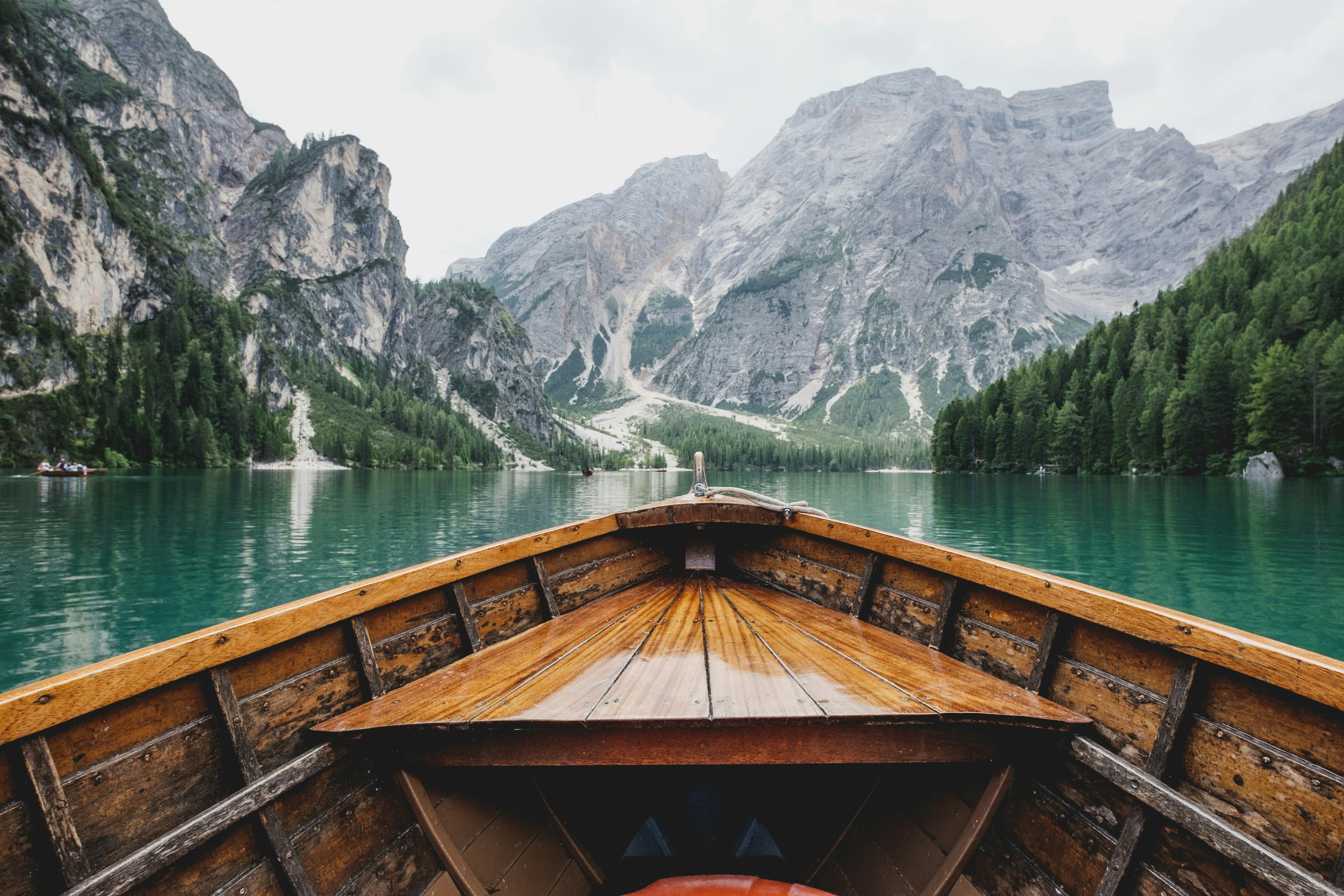

Italy is expensive — or so everyone says. The truth is more nuanced: Italy has a stratified pricing system, and if you know where to look, you can eat a life-changing bowl of cacio e pepe for €4, sleep in a charming apartment for €40/night, and take high-speed trains between cities for under €20. The travelers who blow their budget in Italy are the ones who wing it.
This guide is for the planners — the ones who want to spend two weeks eating, exploring, and getting lost in Renaissance art without coming home broke.
What Does a Budget Trip to Italy Actually Cost?
Before diving into strategy, let's anchor expectations. Here's a realistic daily spend breakdown for a budget-to-mid-range solo traveler in Italy:
| Expense Category | Budget Tier | Mid-Range Tier |
|---|---|---|
| Accommodation | €30–50 (hostel/Airbnb) | €70–120 (3-star hotel) |
| Food & Drinks | €25–40 | €50–80 |
| Transport (local) | €5–15 | €15–30 |
| Attractions | €10–25 | €25–50 |
| Daily Total | €70–130 | €160–280 |
For a 10-day trip flying from the US, budget travelers can comfortably manage $1,800–$2,500 all-in (flights included, if booked right). Mid-range travelers should plan for $3,500–$5,000.
The biggest levers: when you go, where you sleep, and what you eat.
Step 1: Choose Your Cities Strategically
Italy's most popular cities — Rome, Florence, Venice, Milan — vary wildly in cost. Venice, in particular, is a tourist trap if you don't plan ahead.
Most budget-friendly major cities:
- Naples — cheapest pizza in Italy (€1.50–€3 at legendary spots like L'Antica Pizzeria da Michele), affordable accommodation, world-class museums
- Bologna — food capital of Italy without the crowds, excellent university-town vibe, free aperitivo snacks at many bars
- Palermo — Sicily's capital, street food is phenomenal and cheap, stunning Norman architecture
Mid-range cities worth the spend:
- Rome — pricey but manageable if you book ahead; many sights are free (Trevi Fountain, Piazzas, ancient roads)
- Florence — compact, walkable, expensive museums but packed with free art in public spaces
Avoid as budget destinations:
- Venice — add a 50% surcharge to everything you'd pay elsewhere; if you must go, day-trip from Padua (€15 round-trip by regional train)
- Cinque Terre — beautiful but heavily monetized; budget for €35–€50 just for the hiking trail passes
Step 2: Master Italian Rail
Italy's rail system is your greatest budget weapon. The two main operators are:
Trenitalia and Italo — both serve major routes and often compete on price. Always check both before booking.
Sample Train Costs (Booked in Advance)
| Route | Duration | Budget Price | Peak/Last-Minute |
|---|---|---|---|
| Rome → Florence | 1.5 hrs | €15–25 | €40–60 |
| Florence → Venice | 2 hrs | €18–30 | €45–75 |
| Rome → Naples | 1.1 hrs | €10–20 | €35–55 |
| Milan → Bologna | 1 hr | €12–22 | €35–50 |
Key tips:
- Book 60–90 days out for the cheapest "Economy" or "Promo" fares
- Avoid changeable/refundable tickets if you're budget-focused
- Eurail passes are almost never worth it for Italy-only trips
Step 3: Time Your Visit Right
Italy runs on tourist seasons, and the price swings are dramatic.
Best budget windows:
- November–March (excluding Christmas): crowds thin, accommodation drops 30–50%, fewer lines at the Colosseum and Uffizi
- Late September–October: still warm, harvest season = great food events, prices softening
- May: beautiful weather before summer crowds hit
Avoid:
- July–August: peak heat, peak prices, peak lines. The Vatican in August is a special kind of misery.
- Easter week: hotel prices surge 40–70% across all major cities
Step 4: Eat Like an Italian (Not Like a Tourist)
The most expensive mistake in Italy? Sitting down at a restaurant directly on a major piazza. Those €22 plates of pasta exist purely for tourists.
Budget eating rules:
- Eat where there's no English menu outside — this is the single best heuristic
- Lunch is always cheaper than dinner — same kitchen, same food, 20–30% less at lunch
- Aperitivo hour (6–8pm) in northern Italy means free snacks with your drink — it's practically a meal in Milan and Bologna
- Trattoria > Ristorante — trattorias are family-run, cheaper, more authentic
- Bar culture — a cornetto (croissant) and cappuccino at a standing bar counter costs €1.50–€2.50; sitting at a table can triple the price
Typical Meal Costs at Non-Tourist Spots
| Meal | Price Range |
|---|---|
| Espresso at bar (standing) | €1–1.20 |
| Cornetto + cappuccino | €1.50–2.50 |
| Trattoria lunch (pasta + water) | €8–14 |
| Pizza from a proper pizzeria | €6–12 |
| Gelato (artisanal, no neon colors) | €2–3.50 |
| Aperol Spritz | €4–6 (non-tourist area) |
Step 5: Attack the Museums Strategically
Italy's world-class museums can drain a budget fast. The Colosseum runs €18, the Uffizi Gallery €25, and the Vatican Museums €20 — and those are before any add-on tours.
Free or cheap access tricks:
- First Sunday of the month: major state museums are free — including the Colosseum, Borghese Gallery, and national museums throughout Italy. It's crowded, but free is free.
- EU citizens under 25 get free or discounted access to all state museums — worth checking
- Rome City Pass / Firenze Card: do the math carefully — these are only worth it if you're hitting 4+ paid attractions in a few days
- Skip the Vatican audio guide (€7) and use the free Rick Steves audio guide app instead — it's excellent
Book all timed tickets in advance. The Colosseum, Borghese Gallery (requires advance booking regardless), and Uffizi are notorious for same-day sellouts. Budget travelers especially can't afford the "flexible entry" premium tickets.
Step 6: Accommodation Playbook
Best Budget Options by City
Rome:
- Hostel Generator Roma: €25–40/dorm, great location near Termini
- Airbnb apartments in Trastevere or Pigneto: €45–80/night for private rooms
- Avoid anything in Trastevere restaurants — eat there, don't sleep there (prices inflate)
Florence:
- Plus Florence hostel: slick, central, dorms from €28
- Apartments in the Oltrarno (south of Arno): 20–30% cheaper than the historic center
Naples:
- Napoli Centro Storico area has excellent B&Bs for €30–60/night
- The Spanish Quarter is lively and affordable
General rules:
- Book at least 6–8 weeks ahead for summer; 3–4 weeks for shoulder season
- Always read cancellation policies — non-refundable rates save 15–25% if you're certain of dates
- Consider booking 2–3 nights in smaller towns (Orvieto, Lucca, Matera) where accommodation is 30–50% cheaper
Sample 10-Day Budget Italy Itinerary
Here's a framework for a first trip that balances the classics with off-the-beaten-path value:
| Day | City | Estimated Daily Spend |
|---|---|---|
| 1–3 | Rome | €80–110 |
| 4 | Naples day trip from Rome | €40–60 |
| 5–6 | Florence | €75–100 |
| 7 | Bologna | €60–80 |
| 8–10 | Cinque Terre or Sicily | €70–100 |
Total 10-day ground spend: ~€700–950 (~$760–$1,030)
Add flights from the US East Coast: $550–800 round-trip if booked 2–3 months out. West Coast: $650–950.
The Secret Weapon: Plan It All in One Place
The biggest budget leaks happen when you're scrambling — booking the wrong train at the last minute, missing a free museum day, staying in the wrong neighborhood because the cheap places filled up.
Using Faroway, an AI trip planner, you can build your full Italy itinerary in minutes — it accounts for travel time between cities, flags the first-Sunday free museum dates, suggests neighborhood-level accommodation areas, and builds a day-by-day schedule you can actually follow. Rather than 15 tabs of TripAdvisor and Google Maps, you get a single personalized plan that knows your budget constraints from the start.
Common Italy Budget Mistakes to Avoid
- Booking accommodation refundable-only — non-refundable saves real money
- Eating near the Colosseum or Piazza Navona — walk three blocks and prices halve
- Buying museum combo tickets without checking free days — check the first Sunday calendar before your trip
- Ignoring regional trains — regionale trains cost 1/3 of high-speed but are fine for shorter routes (Rome→Naples: fine on fast train; Florence→Lucca: regional is perfect)
- Not carrying cash — many smaller trattorias, markets, and farmstands are cash-only
Final Word
Budget Italy travel isn't about suffering through bad food and sketchy accommodation. It's about eating where locals eat, sleeping in neighborhoods with character instead of tourist infrastructure, and moving between cities on trains booked three weeks in advance. The €4 pizza in Naples beats the €22 plate next to the Trevi Fountain in every possible way.
Ready to build your Italy itinerary? Try Faroway to get a personalized day-by-day plan that fits your budget, travel style, and timing — complete with transport connections, neighborhood picks, and attraction timing. It takes about five minutes to go from blank page to full trip.
Italy has been waiting. Go eat the pasta.
Topics

Written by
Faroway Team
The Faroway team is passionate about making travel planning effortless with AI. We combine travel expertise with cutting-edge technology to help you explore the world.
@farowayGet Travel Tips Delivered Weekly
Get our best travel tips, destination guides, and exclusive deals delivered straight to your inbox every week.
No spam, ever. Unsubscribe anytime.


