
Paris has been written about more than almost any city on earth. It's also more misunderstood than almost any city on earth. The real Paris — the one that locals live in — is messier, more neighborhood-by-neighborhood, and far more affordable than the postcard version. Here's what actually matters before you go in 2026.
Paris at a Glance (2026)
| Category | Details |
|---|---|
| Currency | Euro (€) |
| Language | French (English widely spoken in tourist areas) |
| Best Months | April–June, September–October |
| High Season | July–August (crowded + expensive), Christmas–New Year |
| Airport | CDG (main), Orly (budget), Beauvais (Ryanair, far out) |
| City Pass Worth It? | Paris Visite pass only if doing 5+ metro trips/day |
| Avg Hotel Budget | €80–150/night midrange; €30–50 hostel dorm |
| Tipping | Not mandatory; rounding up is appreciated |
Which Neighborhood to Stay In
This is the single biggest decision in Paris. The city is divided into 20 arrondissements (districts), and your arrondissement shapes your entire experience.
1st–4th Arrondissements (Central Paris)
The Louvre, Île de la Cité, Notre-Dame, Marais. Maximum sightseeing convenience, maximum prices. Hostels here start at €35–55/dorm. Good if this is your first trip and you want to walk everywhere. Expect tourist-trap cafés at €6 for a coffee.
9th–11th Arrondissements (Best All-Round Pick)
South Pigalle (SoPi), Oberkampf, République. This is where Parisians in their 20s–40s actually live and go out. Great restaurant density, better value, still central. Dorm hostels €22–35, midrange hotels €70–110. Our top recommendation for first-timers who want authenticity without being stranded.
18th Arrondissement (Montmartre)
Beautiful, picturesque, increasingly touristy. Sacré-Cœur views are worth the hill. Accommodation is cheaper (€18–28 hostel dorms). Nightlife is limited — you'll Metro elsewhere for evenings.
13th–14th Arrondissements (Latin Quarter + Montparnasse)
Good value, slightly less convenient. Better for longer stays when you want to live like a local rather than sprint between landmarks.
Avoid: Staying too far from a Metro line. Paris is a walking city, but walking from the 19th to the Louvre in summer heat is miserable.
Getting to Paris
From CDG Airport
CDG is 25km northeast of Paris. Options:
- RER B train: €11.80, ~45 minutes to Châtelet-Les Halles. Most reliable, recommended.
- Roissybus: €16.10, drops at Opéra. Good if your hotel is near the 9th arrondissement.
- Taxi: Fixed rate €56 to Right Bank, €65 to Left Bank. Worth it if you have heavy luggage or arrive late at night.
- Rideshare (Uber/Bolt): €40–65 depending on surge. Convenient, inconsistent pricing.
Avoid the private transfer "deals" at the arrivals hall — they're typically €80–120 and no better than a regulated taxi.
From Orly Airport
OrlyVal + RER B: ~35 minutes to central Paris, €14.10. Or the new Orlybus (€10.70, takes longer).
From Beauvais (Ryanair)
Shuttle bus to Porte Maillot (~75 minutes, €17). Budget in transit time — Beauvais is 85km from Paris. A "cheap" Ryanair flight costs real time.
Getting Around Paris
The Metro is excellent — 16 lines, runs 5:30 AM to 1:15 AM (2:15 AM on weekends).
Tickets:
- Single ticket (t+): €2.15
- Carnet of 10: €19.10 (discount)
- Paris Visite Pass: Only worthwhile if you're doing 5+ trips per day; casual sightseers usually don't break even
Walking: The central arrondissements (1st–6th) are extremely walkable. Louvre to Notre-Dame to Musée d'Orsay to Eiffel Tower is doable in a day on foot.
Vélib' bike share: €5/day or €15/week. Great for flat riverside routes. Avoid bikes on busy boulevards.
The Landmarks: Honest Take
Eiffel Tower
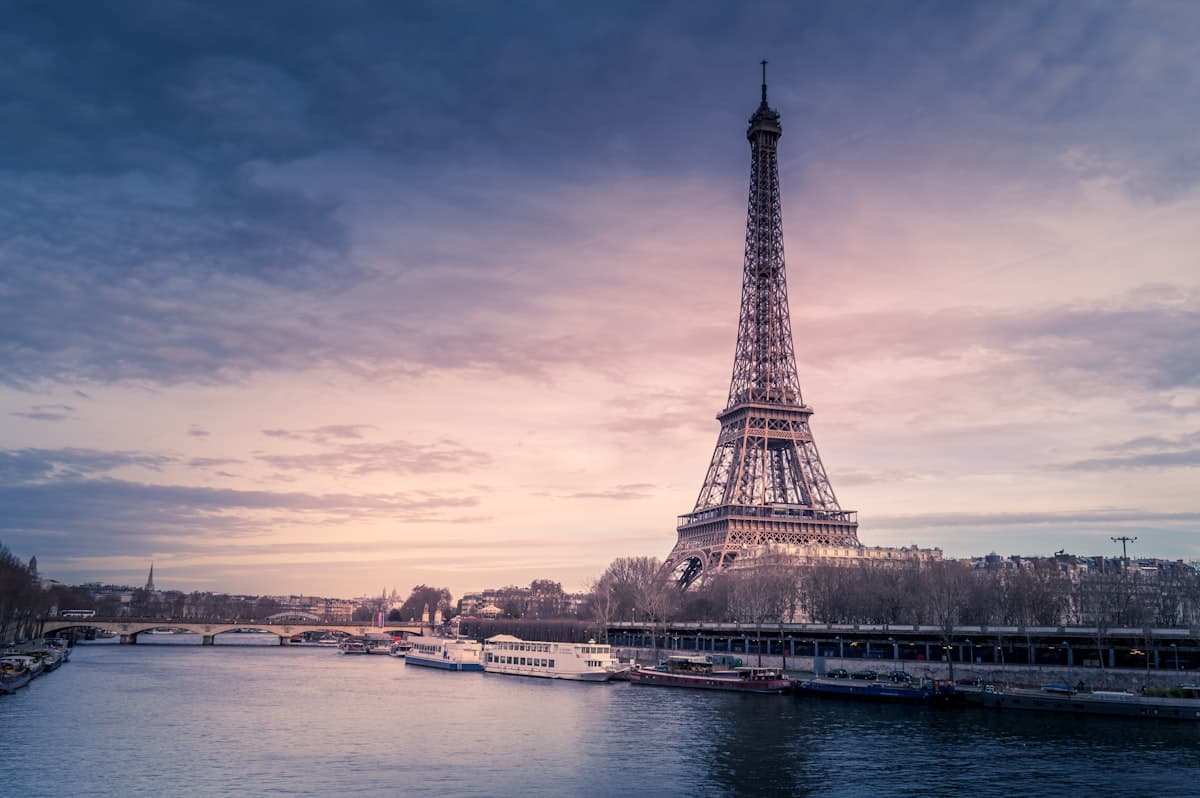
Yes, go. But go at dusk (1–2 hours before sunset), not midday. The queue for the summit is 2+ hours in summer — book online at least 2 weeks ahead (€28.30 adult to summit). The second floor (€18.50) is genuinely great and the queue is shorter. The free view from Trocadéro across the Seine is excellent if you want the photo without the wait.
The Louvre
It's too big to see in a day. Pick 2–3 wings. The Denon Wing (Mona Lisa, Winged Victory, Venus de Milo) is the highlight reel. Online tickets: €22. Free the first Sunday of each month from October–March — queue starts early.
Notre-Dame
Post-restoration reopening happened in December 2024. Access is now available again but timed entry tickets are required. Book ahead at notredamedeparis.fr. Stunning.
Musée d'Orsay
Underrated relative to the Louvre. Impressionist collection (Monet, Renoir, Van Gogh) is world-class. Smaller, more manageable. €16 entry, free under 18 and EU citizens under 26.
Sacré-Cœur + Montmartre
Free to enter the basilica. The hilltop view is excellent, especially morning or golden hour. Skip the overpriced tourist restaurants on the square — walk 3 blocks downhill for actual Paris prices.
Versailles (Day Trip)
40 minutes from central Paris via RER C (€7.10 round trip). Book palace tickets well ahead (€21.50). Skip if you only have 3 days in Paris — it eats a full day and the palace is very crowded. Go if you have 4+ days.
Where to Eat in Paris Without Getting Burned
Paris has extraordinary food. It also has thousands of tourist-trap restaurants with mediocre food at inflated prices. The difference between a good and bad lunch can be €8 vs. €22 for the same quality.
The golden rule: If a restaurant has photos on the menu, walk on.
Breakfast
Parisians don't eat elaborate breakfasts. A croissant (€1.20–1.80 at a good boulangerie) and a café (€1.50–2.50 standing at the bar) is the authentic version. Eric Kayser and Du Pain et des Idées are among the best boulangeries; any neighborhood boulangerie with a line of locals is a good sign.
Lunch: The Best Value in Paris
Most traditional French restaurants offer a formule déjeuner (lunch set menu): entrée + plat or plat + dessert for €13–19. This is how you eat well in Paris on a budget. Same food, same kitchen, dramatically cheaper than dinner.
Dinner
Budget €25–45/person for a proper sit-down dinner with wine at a good bistro. Neighborhoods with the best density of honest restaurants:
- Rue de Bretagne (3rd arr.): Excellent marché area with surrounding restaurants
- Oberkampf/Parmentier (11th arr.): Local neighborhood restaurants, natural wine bars
- Rue Montorgueil (2nd arr.): Market street, good for all-day eating
- Canal Saint-Martin (10th arr.): Trendy but not tourist-trap; brunch culture, natural wine
Don't Miss
- French onion soup at a proper brasserie (not a tourist café)
- Steak frites at a classic bistro (Le Relais de l'Entrecôte is famous for this — it's good but queues are long)
- Falafel on Rue des Rosiers (Le Marais, 4th arr.) — €7–9, genuinely excellent
- Crêpes from a street cart in Montmartre — far better than the tourist restaurants
Hidden Paris: What Most Guides Miss
Palais Royal Gardens: Free to enter, beautiful colonnaded garden in the heart of the city. Calm compared to the Tuileries. Worth 30 minutes.
Promenade Plantée: An elevated railway converted to a park (predated NYC's High Line). 4.7km of greenery in the 12th arr. Almost no tourists.
Bibliothèque Nationale Site Richelieu: Free to visit the public rooms. One of the most beautiful reading rooms in the world. 58 Rue de Richelieu.
Marché d'Aligre: The best and most local food market in Paris. Open Tuesday–Sunday mornings, 12th arrondissement. Cheaper produce than tourist markets, real neighborhood energy.
Petite Ceinture: The abandoned railway circling Paris. Accessible in several places. Not officially "open" but widely visited. Photography is stunning.
5-Day Paris Itinerary
Day 1: Central Paris
Morning: Notre-Dame → Île Saint-Louis walk → lunch on Rue des Rosiers (falafel) → Marais exploration → Place des Vosges. Afternoon: Centre Pompidou (€17 but spectacular modern art). Evening: Dinner in the 11th, wine bar on Rue Oberkampf.
Day 2: Left Bank + Eiffel Tower
Morning: Musée d'Orsay (book ahead). Lunch: Rue Cler market street neighborhood. Afternoon: Rodin Museum gardens (€13, stunning sculpture garden). Late afternoon/dusk: Eiffel Tower (pre-booked tickets) or view from Trocadéro. Evening: Dinner in Saint-Germain.
Day 3: Louvre + Tuileries + Palais Royal
Start at 9 AM for Louvre opening — less crowded. Spend 3 hours maximum. Lunch near Rue Montorgueil. Afternoon: Palais Royal, walk up to Opéra quarter. Evening: Sunset from Pont des Arts or Pont Neuf.
Day 4: Montmartre + North Paris
Morning: Sacré-Cœur before the crowds (before 9 AM). Explore Abbesses neighborhood. Afternoon: Canal Saint-Martin walk — coffee and lunch in the 10th. Evening: Live music or jazz club in the 9th (Jazz Club Etoile, Caveau de la Huchette).
Day 5: Versailles or Deeper Exploration
Day trip to Versailles, OR spend the day in the Marais exploring museums (Musée Picasso, Musée Carnavalet — free). Last dinner at a proper French bistro.
Planning Your Paris Trip with AI
Paris has hundreds of micro-decisions: which areas to prioritize, when to book which landmark, how to structure days to minimize backtracking. Faroway is an AI trip planner that handles this well — input your dates, interests, and budget and it generates a day-by-day Paris itinerary with logistics worked out.
It's especially useful for multi-city trips where Paris is one stop — figuring out the right number of nights (3 is often enough for a first visit; 5–7 if it's a dedicated Paris trip) and how it connects to the rest of your route.
Practical Paris Info
Safety: Paris is generally safe. Pickpocketing is real — particularly on the Metro (line 1, Châtelet-Les Halles), at the Eiffel Tower, and in Montmartre. Keep valuables in front pockets or a crossbody bag. The city is fine at night in tourist areas.
Language: French is appreciated. "Bonjour" before any request, "s'il vous plaît" (please) and "merci" (thank you) cover most situations. Most service workers in tourist zones speak English.
Museum Monday/Tuesday closures: Many major museums are closed Monday (Musée d'Orsay, Musée Rodin) or Tuesday (Louvre, Centre Pompidou). Check before planning museum days.
The Paris Museum Pass: €54 for 2 days, €69 for 4 days. Worth it if you're hitting 3+ paid museums per day. Skip the queues with included museums.
Water: Free and safe from any street fountain (Wallace Fountains — the green cast-iron ones around the city). Never pay for water at a restaurant; asking for une carafe d'eau (tap water) is free and perfectly normal.
Final Thought
Paris rewards curiosity more than planning. Yes, book the Eiffel Tower and the Louvre ahead. But leave half your days loose — the best Paris experiences happen when you follow a good-looking street, sit at a café for an hour, and discover a neighborhood you'd never heard of.
Start with a solid itinerary. Build yours on Faroway — enter your travel dates and interests and get a personalized Paris plan in minutes. Then be ready to throw some of it out when something better shows up.
Topics

Written by
Faroway Team
The Faroway team is passionate about making travel planning effortless with AI. We combine travel expertise with cutting-edge technology to help you explore the world.
@farowayGet Travel Tips Delivered Weekly
Get our best travel tips, destination guides, and exclusive deals delivered straight to your inbox every week.
No spam, ever. Unsubscribe anytime.