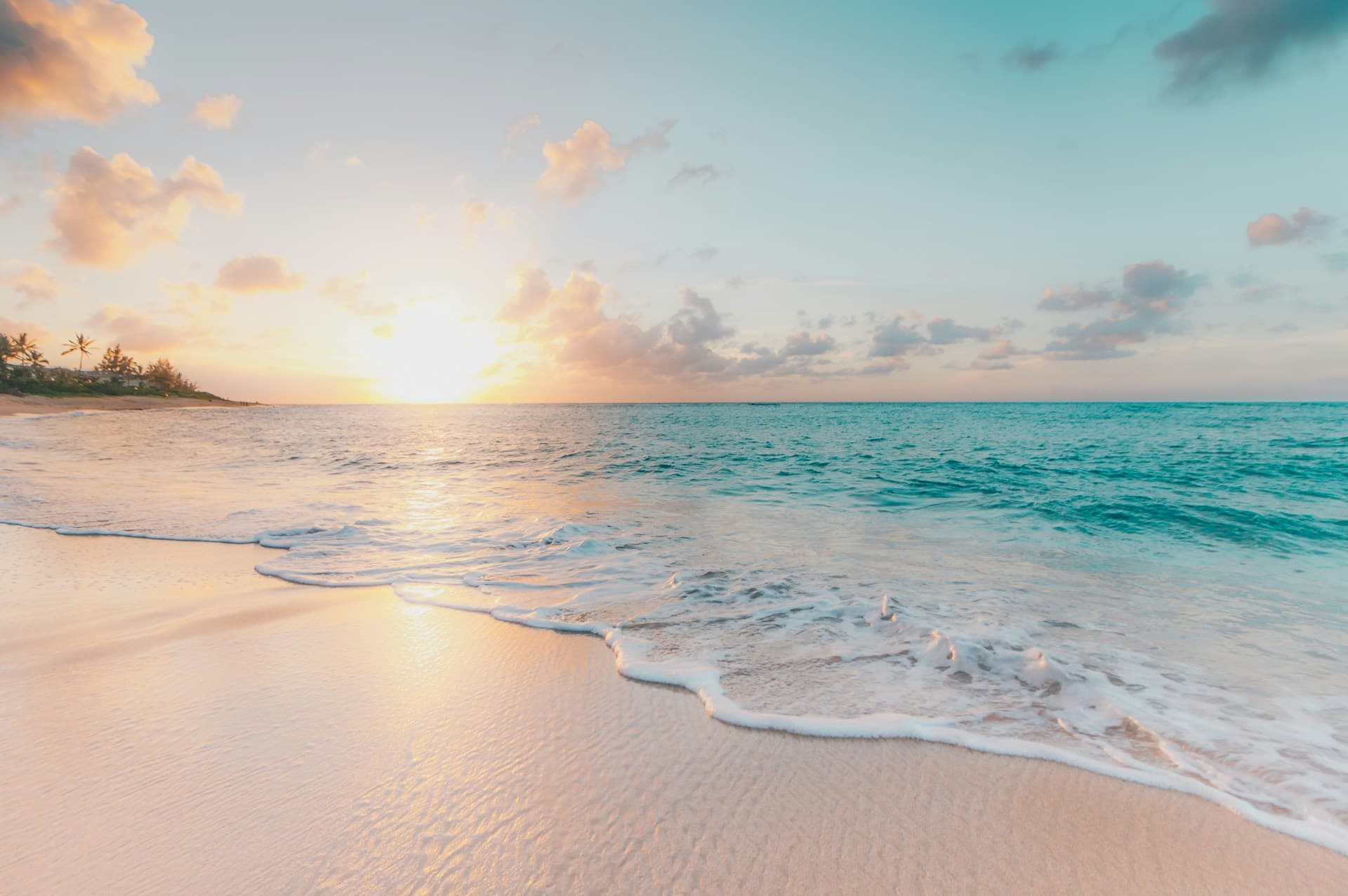
The Philippines has 7,641 islands and roughly 300 days of sunshine per year. That combination — scale, water, and warmth — makes it one of the most compelling island-hopping destinations on earth. But it also makes planning complicated. Which islands? Which route? What time of year? How do you actually get between them without losing your mind?
This guide cuts through the noise for first-timers.
Understanding Philippine Geography
The Philippines splits into three main island groups:
- Luzon — The largest island, home to Manila (the capital) and gateway to nearby islands
- Visayas — The central cluster where most tourist favorites are located (Cebu, Bohol, Siargao, Palawan is sometimes grouped here)
- Mindanao — The southern island group, currently under varying travel advisories for foreign visitors
For most first-timers, the action is in the Visayas plus Palawan — and that's where this guide focuses.
When to Go
The Philippines doesn't have a simple dry/wet season across the board — different regions peak at different times due to the country's geography.
| Region | Peak Season | Avoid |
|---|---|---|
| Palawan (El Nido, Coron) | Nov–May | Jun–Oct (heavy rains, rough seas) |
| Boracay | Nov–May | Jun–Oct (monsoon; beach closures possible) |
| Siargao | Aug–Dec (surf season) | Mar–May (flat, tourist-heavy) |
| Cebu/Bohol | Dec–May | Jun–Aug (rainy) |
| General Luzon | Dec–May | Jun–Nov (typhoon season) |
The safest window for a multi-island trip: December through April. Most of the country is dry, seas are calmer for inter-island boats, and visibility for diving is excellent.
Getting to the Philippines
Manila's Ninoy Aquino International Airport (MNL) is the main international gateway, though Cebu (Mactan, CEB) is a growing hub with direct flights from Hong Kong, South Korea, Japan, Singapore, and several Middle Eastern cities.
Airlines with good international connections: Philippine Airlines, Cebu Pacific (budget), AirAsia, Singapore Airlines, Cathay Pacific.
Once in the country, you'll mainly move by:
- Domestic flights — Cebu Pacific and Philippine Airlines operate dense domestic networks. Book at least 2–4 weeks ahead for good prices; fares from Manila to Palawan or Siargao start around PHP 1,500–3,500 ($27–63) booked early.
- Ferries — FastCat, Cokaliong, and 2GO operate roll-on/roll-off ferries across most inter-island routes. Slower and cheaper than flying, but scenic.
- Pump boats and bangkas — Small outrigger boats used for island hopping within a cluster. Chartered by the day or booked through tours.
The Best First-Timer Island Routes
Route 1: The Classic Palawan Loop (7–10 Days)
Manila → El Nido → Port Barton → Coron → Manila
This is the most iconic Philippines route, and for good reason.
El Nido is the crown jewel — an archipelago of 50+ islets with towering karst limestone cliffs, turquoise lagoons, and some of the finest snorkeling in Asia. Base yourself in El Nido town for 3–4 days and take island-hopping tours (Tours A, B, C, and D run by local operators, 1,400–2,000 PHP each). Tour A, covering the Small and Big Lagoon, is the most famous. Book the night before through your guesthouse.
Port Barton is El Nido's quieter sibling — fewer tourists, more hammock time, and excellent firefly watching at night. A 3–4 hour van ride from El Nido (PHP 450). Good for 1–2 nights.
Coron (on Busuanga Island) is a wreck-diving paradise with 10+ Japanese WWII shipwrecks sunk in 1944 now colonized by coral. Non-divers will love Lake Kayangan (often cited as the cleanest lake in Asia), Twin Lagoon, and hot spring lake soaks. Getting from El Nido to Coron: take the Seair or Air Juan flight (~30 min, ~PHP 2,500) or a fast boat (4–6 hours, PHP 2,500–3,000, operated seasonally).
Route 2: Visayas Circuit (8–12 Days)
Cebu → Bohol → Siquijor → Siargao → back to Cebu
Cebu is your transit hub and also genuinely worth 2–3 days. The 17th-century Magellan's Cross sits in a chapel downtown. South of the city, Oslob hosts whale shark encounters (900 PHP, controversial due to feeding practices — research current conditions before committing). Moalboal, 2.5 hours south by bus (PHP 100–150), has some of the best cheap diving in the country and the famous sardine run.
Bohol is a 1.5-hour ferry from Cebu (FastCat: PHP 280–350). The Chocolate Hills — 1,200+ perfectly symmetrical hills that turn brown in summer — are the headline, but the real gem is the Loboc River cruise and the tiny Philippine tarsier, one of the world's smallest primates, viewable at the Tarsier Sanctuary (150 PHP).
Siquijor has a reputation as the island of sorcerers and healers, which makes it atmospheric even before you factor in the beautiful beaches. Fast ferry from Dumaguete (which connects to Bohol): 1 hour, PHP 200. Spend 2–3 days; rent a scooter for 400 PHP/day and circle the whole island in a morning.
Siargao is Southeast Asia's surfing capital, and even if you don't surf, Cloud 9 — the famous reef break — is spectacular to watch. Beyond surfing: island-hopping to Naked Island, Daku Island, and Guyam Island (tours from PHP 1,000/person), the Sugba Lagoon (kayaking through mangroves, PHP 50 entry), and the most laid-back café scene you'll find east of Bali.
Getting to Siargao: fly from Cebu (30–40 min, Cebu Pacific or Philippine Airlines, PHP 1,500–3,000) or from Manila (1.5 hours).
Route 3: Boracay and the Ilocos Loop (5–7 Days)
Better suited to travelers with limited time or based around Manila. Boracay's White Beach is one of the finest stretches of sand in Asia — fine, powdery, impossibly white. Take a one-hour direct flight from Manila to Caticlan (PHP 1,500–3,500), then a 10-minute bangka to the island. The island is small enough to traverse in 30 minutes. Spend 3 days, take a sailing trip at sunset, and eat your weight in fresh seafood.
Budget Breakdown
The Philippines is one of Southeast Asia's most affordable destinations, but costs can vary significantly based on your comfort level.
| Expense | Budget | Mid-Range | Splurge |
|---|---|---|---|
| Accommodation/night | PHP 700–1,500 ($12–27) dorm/fan room | PHP 2,500–5,000 ($45–90) AC hotel | PHP 8,000–25,000+ ($145–454) resort |
| Meals/day | PHP 400–800 ($7–14) local eateries | PHP 1,500–3,000 ($27–54) mixed | PHP 5,000+ ($90+) fine dining |
| Island hop tour | PHP 1,000–2,000 ($18–36) | PHP 2,500–4,000 ($45–72) private | Chartered boat |
| Inter-island flight | PHP 1,500–5,000 ($27–90) | — | Business class |
| Scooter rental/day | PHP 350–500 ($6–9) | — | — |
A comfortable mid-range trip runs about PHP 5,000–8,000 per day ($90–145) once you account for accommodation, food, tours, and transport. Budget travelers can do it for PHP 2,000–3,000 ($36–54) with dorms, local food, and group tours.
Practical Tips for First-Timers
SIM Cards
Buy a SIM at the airport immediately. Globe and Smart are the two main carriers. A tourist SIM with 7–10 GB of data costs PHP 299–499. Coverage in El Nido is improving; Siargao can be spotty. Download offline maps (Google Maps works well offline in the Philippines).
Cash
The Philippines is still heavily cash-based, especially in island destinations. ATMs exist in El Nido town, Coron, and Boracay but can have queues and limited stock. Withdraw PHP 10,000–20,000 before heading to smaller islands. Most major banks have ATMs at Manila and Cebu airports.
Tipping Culture
Tipping is appreciated but not mandatory. In restaurants, a 10% tip is standard. Tour guides: PHP 200–500 per day. Drivers: round up the fare or add PHP 50–100.
Bargaining
Appropriate in markets and for chartered boat trips, not in restaurants or established shops. Start at 60–70% of the asking price and meet in the middle.
Health
Pack motion sickness medication — bangka boat rides across open water can be rough. Sunscreen is essential (reef-safe formulations are encouraged in marine protected areas). Mosquito repellent is useful on most islands. No vaccinations are strictly required, but hepatitis A and typhoid vaccines are recommended.
Internet and the "Island Time" Mindset
Things move slower here. Ferries run late. Boat tours depend on weather. The best islands don't have fast Wi-Fi. The Philippines rewards travelers who can embrace flexibility. Build buffer days into your itinerary, especially around inter-island connections.
Building Your Philippines Itinerary
The hardest part of a Philippines trip isn't getting there — it's deciding which of the 7,641 islands to prioritize and how to string them together without wasting days in airports. Every traveler has different priorities: surf, dive, beach, history, food, budget.
Faroway is built exactly for this kind of multi-stop planning. Describe your trip (islands you're interested in, travel dates, budget, pace), and Faroway generates a complete day-by-day Philippines itinerary with specific transport options, timing, and recommendations — including which island hopping tours are worth it and which you can skip.
The Philippines is one of those destinations where the planning pays off massively. Get it right, and you'll have one of the best trips of your life. Get it wrong, and you'll spend more time at domestic airports than on beaches.
Start planning smart. The right island is out there.
Topics

Written by
Faroway Team
The Faroway team is passionate about making travel planning effortless with AI. We combine travel expertise with cutting-edge technology to help you explore the world.
@farowayGet Travel Tips Delivered Weekly
Get our best travel tips, destination guides, and exclusive deals delivered straight to your inbox every week.
No spam, ever. Unsubscribe anytime.