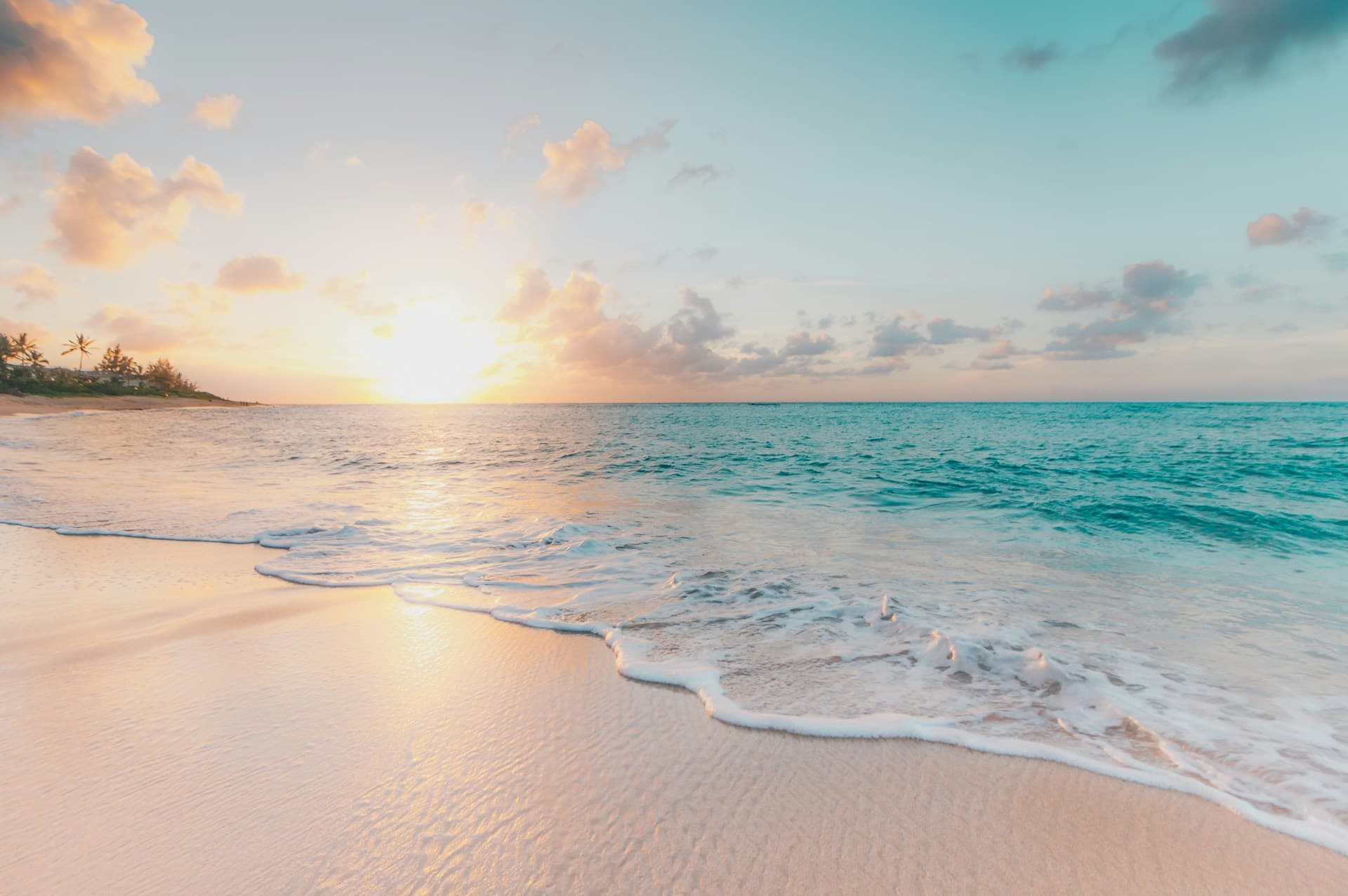
Lisbon should have been overrun years ago. The hills, the light bouncing off the Tagus, the pastéis de nata still warm from the oven — it has all the ingredients of a city destroyed by its own success. And yet it maintains something other European capitals have lost: the feeling that you've stumbled into something real. Five days is enough to understand why people come for a week and stay for a month.
At a Glance: 5-Day Overview
| Day | Area | Highlights |
|---|---|---|
| 1 | Alfama & Mouraria | Tram 28, São Jorge Castle, Fado dinner |
| 2 | Belém & Ajuda | Tower, Monastery, pastéis at Pastéis de Belém |
| 3 | Príncipe Real & LX Factory | Markets, tiles, vintage shopping, riverside dining |
| 4 | Sintra Day Trip | UNESCO palaces, Cabo da Roca, Cascais return |
| 5 | Bairro Alto & Mouraria | Miradouros, Time Out Market, departure |
Day 1: Alfama — Europe's Most Romantic Neighborhood, Built on a Hill
You'll want to sleep off the flight, but don't. Lisbon runs late, and the best way to sync to its rhythm is to start walking immediately.
Tram 28 (The Right Way)
Tram 28 is one of the world's most famous city rides, winding through Lisbon's steepest hills and narrowest medieval streets. The catch: everyone knows this. By 10 AM, queues stretch half a block and pickpockets work the crowd.
The move: board at Largo Martim Moniz (the eastern terminus, not the tourist-heavy middle stops) before 9 AM, or catch it in the late evening for a moonlit tour with almost no crowd. Single fare is €3.
São Jorge Castle
Castelo de São Jorge has stood on this hill since Moorish times. The views over the Alfama rooftops and across the Tagus justify the €15 entry even if you skip the museum inside. Arrive at opening (9 AM) to beat the tour groups.
Below, the Alfama neighborhood is a maze of steep lanes, laundry strung between buildings, and elderly residents who've lived here their entire lives. Get lost on purpose. The streets with names like Rua das Flores and Travessa do Chafariz de Dentro lead you somewhere worth finding.
Lunch: A Tasco
Don't eat at any restaurant with an English-only menu and photos out front. Duck instead into a tasco — the traditional neighborhood tavern found throughout Alfama. Caldo verde (kale and potato soup, €2–3), bacalhau à brás (salt cod scrambled with eggs and fries, €8–12), and a glass of house vinho verde (€2–3) is the blueprint. Budget €15 per person including wine.
Fado at Night
Real fado — Portugal's blues-meets-flamenco tradition of saudade (untranslatable longing) — happens in small venues in Alfama and Mouraria, not tourist dinner shows.
Tasca do Chico (Rua do Diário de Notícias 39, Bairro Alto) is legendary: 20 seats, reservations required, no photos. Dinner runs €30–40 per person. The music starts around 9 PM and continues until midnight.
Alternatively, Mesa de Frades in Alfama occupies a former chapel and offers proper dinner with fado from €50 per person. Worth it once.
Day 2: Belém — Where Portugal Set Sail for the World
Take the 15E tram from Praça do Comércio westward along the Tagus (€3) or get an all-day transit pass (€6.80) that covers all trams, metro, and buses within Lisbon. Journey time about 20 minutes.
Pastéis de Belém (Non-Negotiable)
Pastéis de Belém (Rua de Belém 84–92) has been making the original pastel de nata to a secret recipe since 1837. Arrive before 10 AM. The warm pastéis straight from the oven cost €1.45 each. Eat at least two. Dust with cinnamon and powdered sugar. The ones you get everywhere else in Lisbon are good; these are the standard by which all others are judged.
Jerónimos Monastery
The Mosteiro dos Jerónimos is the most impressive example of Manueline architecture — Portugal's elaborate late-Gothic style adorned with maritime motifs — in the country. The cloisters are extraordinary: two stories of intricately carved stone surrounding a central garden. Vasco da Gama is buried in the church. Entry €10; free Sunday mornings before noon.
Tower of Belém
The Torre de Belém (€6 entry) is more photogenic than it is revelatory inside — the rooms are small and the lines long. If queues exceed 30 minutes, skip the interior and simply photograph it from the riverside promenade.
MAAT (Museo de Arte, Arquitetura e Tecnologia)
A genuinely excellent contemporary art museum built into the riverbank, with an undulating white roof you can walk across. Entry €11; worth 2 hours of your afternoon for the art and the river views.
Dinner: Return to central Lisbon. Taberna da Rua das Flores (Rua das Flores 103, Chiado) serves creative Portuguese small plates in a narrow, packed room. Arrive at opening (7 PM) or book ahead. Budget €25–35 per person.
Day 3: Príncipe Real, LX Factory, and the City's Creative Soul
Morning: Azulejo Hunting in Príncipe Real
Lisbon's azulejos — hand-painted ceramic tiles — aren't just decoration; they're the city's visual language. The Museu Nacional do Azulejo (across town in Xabregas, Metro to Santa Apolónia then a bus) is the definitive museum if you have time ($5 entry, half-day affair). For a quicker tile fix, the boutique antique shops of Príncipe Real neighborhood sell original antique panels from €20 for single tiles to thousands for intact murals.
The Jardim do Príncipe Real is a shaded square good for watching the neighborhood. Saturday mornings have an organic market; weekday mornings are quieter and better.
Afternoon: LX Factory
A 19th-century textile factory complex turned creative hub under the Ponte 25 de Abril (Lisbon's version of the Golden Gate Bridge, which it unmistakably resembles). During the week, it's a normal working space for studios and restaurants. Sunday market is the unmissable version: 200+ vendors selling vintage clothing, books, ceramics, and food from noon to 7 PM.
On weekdays, still worth visiting for lunch at Rio Maravilha — rooftop restaurant with bridge views and decent Portuguese-Brazilian food ($20–30 per person).
Evening: Miradouro da Graça
One of Lisbon's best viewpoints, and less Instagram-saturated than Miradouro de Santa Catarina or Portas do Sol. Sunset here — looking west over the Alfama rooftops, the river, and the Cristo Rei statue across the water — is the kind of view that makes you cancel your flight home.
Pick up a bottle of wine from any corner shop (€5–7 for something excellent), grab a seat on the stone walls, and stay until dark.
Day 4: Sintra — UNESCO World Heritage and Actual Magic
Sintra isn't a day trip you squeeze in. It's a day trip you should have built your whole itinerary around.
Getting there: Trains from Lisbon's Rossio station run every 20–40 minutes to Sintra, 40-minute journey, €2.35 each way. First train 5:30 AM; the 8:30–9 AM trains put you there before the tour buses.
What to Prioritize
| Site | Entry | Time Needed | Notes |
|---|---|---|---|
| Palácio Nacional da Pena | €17 | 2–3 hrs | The pink-and-yellow fairy-tale palace; book online |
| Quinta da Regaleira | €10 | 2 hrs | Mysterious estate with initiatic wells |
| Palácio Nacional de Sintra | €10 | 1 hr | Right in town; stunning Manueline kitchen chimneys |
| Castelo dos Mouros | €8 | 1.5 hrs | Moorish ramparts with Pena views |
You can't do all four in one day without feeling rushed. Pena + Quinta da Regaleira is the strongest combination: one maximalist palace, one mystical garden with spiral staircases descending into underground grottos.
Cabo da Roca (Optional Extension)
The westernmost point of mainland Europe, 40 minutes by bus from Sintra (Scotturb bus 403, €4 each way). The cliffs drop 140m into the Atlantic. You can buy a certificate saying you stood at the edge of the known world for €8. Entirely optional; entirely worth it if you have the time.
Return via Cascais: Instead of backtracking to Lisbon on the same train, take bus 403 from Cabo da Roca to Cascais (30 min), explore the coastal town for an hour (good seafood at Furnas do Guincho, 15 min outside town), and train back to Lisbon from Cascais station. Different, quieter, and the coastal scenery is beautiful.
Day 5: Bairro Alto, Time Out Market, and Departure Day
Morning: The Miradouros Circuit
Lisbon's hilltop viewpoints (miradouros) are best in the morning light. Hit these three in sequence:
- Miradouro de São Pedro de Alcântara — terraced garden with castle views
- Miradouro de Santa Catarina (Adamastor) — bohemian vibe, river views
- Miradouro do Adamastor — same spot, different name, get a bica espresso from the kiosk (€0.70)
Lunch: Time Out Market
The original Mercado da Ribeira / Time Out Market (Av. 24 de Julho 49) is where Lisbon's best chefs have outposts in a beautiful 19th-century iron market hall. Pick up portions from multiple stalls: A Cevicheria for ceviche ($8–12), Henrique Sá Pessoa's counter for bacalhau croquettes, Nuno Diniz for cheeses. Budget €20–30 per person for a full lunch.
Not a tourist trap: Yes, it's famous. It's also genuinely excellent and architecturally beautiful. Go.
Transport to Airport
Humberto Delgado Airport (LIS) is 20 minutes from the center by metro (Red Line, Aeroporto stop, €1.79). A taxi runs €12–18. Uber averages €10–15. The metro is the most reliable option; avoid it only if you have excessive luggage.
Practical Information
Getting Around Lisbon
| Transport | Price | Best For |
|---|---|---|
| 24-hour Viva Viagem pass | €6.80 | Heavy sightseeing days |
| Single metro/tram | €1.79–€3 | Occasional trips |
| Uber | €5–15 | Late nights, luggage days |
| Walking | Free | Everything within neighborhoods |
Taxis in Lisbon are metered and honest; Uber is slightly cheaper and easier. Tram 28 is historic but slow — budget the time or walk the same route faster.
Accommodation
- Budget: Alfama hostels, €25–45/night in private rooms
- Mid-range: Bairro Alto or Mouraria boutique hotels, €80–150/night
- Splurge: Bairro Alto Hotel (from €350/night, rooftop bar with city views)
Eating Budget
Lisbon is one of Europe's most affordable capitals. A full meal with wine in a neighborhood tasco: €12–18 per person. Specialty restaurants: €25–45. The city's best coffee (bica) costs €0.70–1.20 everywhere.
Best Time to Visit
March–May and September–October are ideal: mild temperatures (18–22°C), manageable crowds, lower prices. July–August is peak season — busier and hotter (up to 35°C). December–February is quiet but often gray and rainy.
Plan Your Lisbon Trip with Faroway
The five days above work well as a template, but Lisbon rewards deviation. Maybe you'd rather swap a day for wine country in the Douro, add a cooking class, or spend three days in Alfama instead of one.
Faroway builds custom Lisbon itineraries based on your travel dates, interests, and pace — including transport times, neighborhood-specific restaurant picks, and which museum queues to skip. It also handles multi-city Portugal itineraries (Lisbon + Porto is a classic, easily done by train in 3 hours) in a single planning session.
Good trips don't happen by accident. Use Faroway to build yours.
Topics

Written by
Faroway Team
The Faroway team is passionate about making travel planning effortless with AI. We combine travel expertise with cutting-edge technology to help you explore the world.
@farowayGet Travel Tips Delivered Weekly
Get our best travel tips, destination guides, and exclusive deals delivered straight to your inbox every week.
No spam, ever. Unsubscribe anytime.