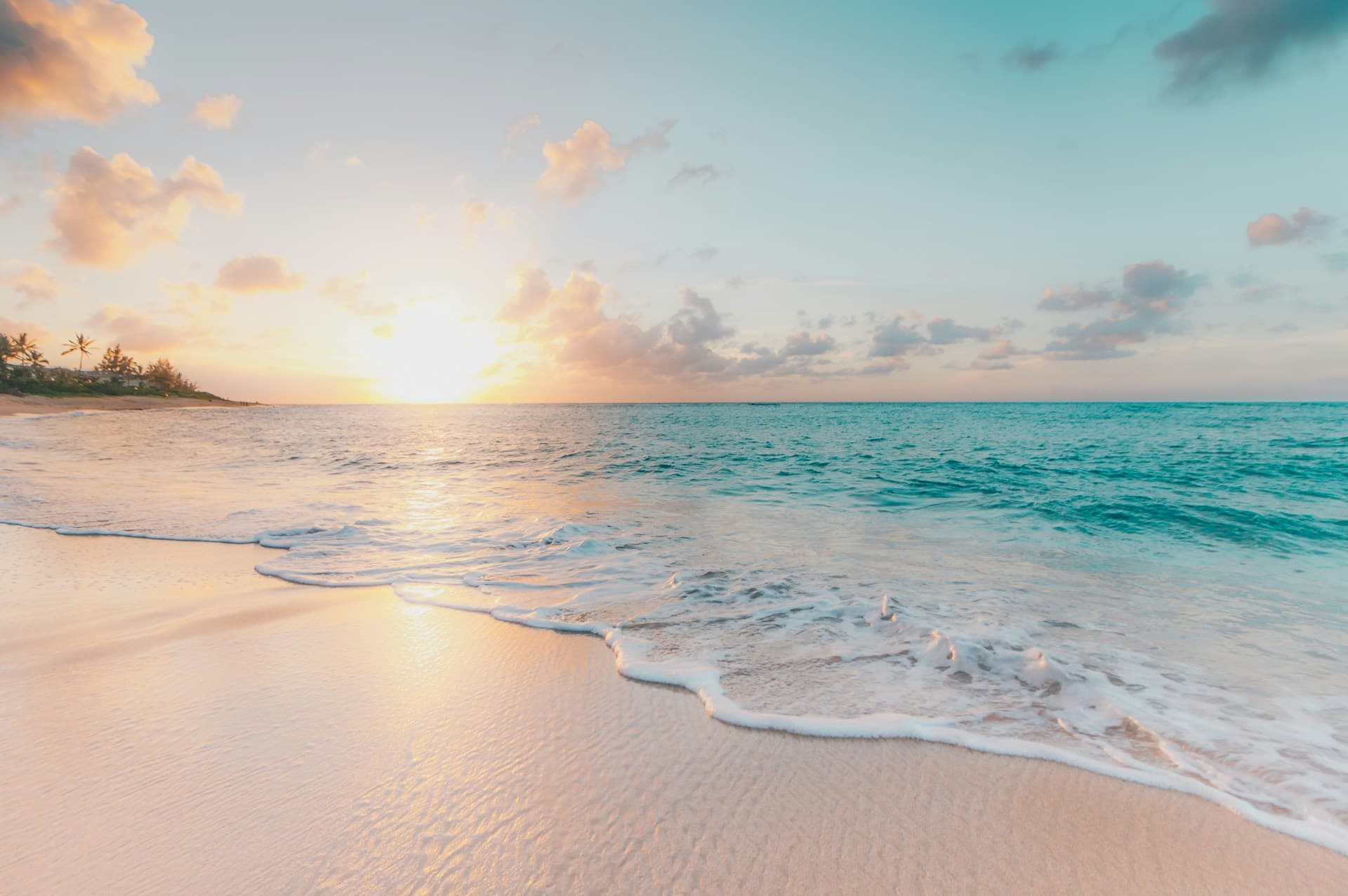

Portugal keeps winning "best destination in Europe" awards, and first-timers who land in Lisbon quickly understand why. Cobblestone hills tumbling toward the Tagus, custard tarts still warm from the oven, wine cheaper than sparkling water back home — this country punches well above its weight. Here's what you actually need to know before you go.
Why Portugal Deserves a Spot at the Top of Your List
Portugal offers the rare combination of Western European quality with genuinely affordable prices. A glass of local wine at a Lisbon taska costs €1.50–€2.50. A three-course lunch with wine — the menu do dia — runs €10–€14. Compare that to Paris or Amsterdam and the math becomes immediately obvious.
Beyond cost, Portugal is compact enough to see several regions in one trip: the capital Lisbon, the medieval city of Porto two hours north, the Algarve coast in the south, the vine-covered Douro Valley, and the storybook palaces of Sintra — all reachable by train or bus without renting a car.
When to Go
| Season | Months | What to Expect |
|---|---|---|
| Spring (best) | March–May | Warm days 18–24°C, low crowds, wildflowers, green hills |
| Early Summer | June | Perfect weather before peak crowds arrive |
| Peak Summer | July–Aug | 30–40°C in Algarve, packed beaches, highest prices |
| Fall (best) | Sept–Oct | Still warm, crowds thin, harvest season in Douro |
| Winter | Nov–Feb | Mild 14–17°C in Lisbon, cheap flights, rainy spells |
First-timers' sweet spot: May or October. You get warm weather, manageable crowds, and hotel rates 20–40% lower than August.
Where to Go: The Essential Regions
Lisbon (3–4 Days)
Portugal's capital climbs seven hills above the Tagus estuary. The essential neighborhoods:
- Alfama — the oldest district, a maze of Moorish alleyways and the best place to hear live fado music at a small tasca
- Bairro Alto — the bar district, fun after dark; also home to vintage shops and great lunch spots
- Belém — the waterfront neighborhood with the Jerónimos Monastery (€10 entry), the Torre de Belém (€6), and the birthplace of the original pastel de nata at Pastéis de Belém (€1.30 each, cash only, arrive before the queue hits 30 minutes)
- LX Factory — repurposed industrial complex with Sunday markets, restaurants, and indie shops
Getting around Lisbon: Tram 28 is iconic but packed — walk up to Miradouro da Graça for similar views with fewer tourists. Metro rides cost €1.61 each or €0.50 with a 24-hour pass (€6.80). Lisbon's hills make Uber useful for tired legs at €4–€8 per ride across the center.
Porto (2–3 Days)
Porto is grittier, younger-feeling, and increasingly beloved. The must-sees:
- Ribeira district — UNESCO-listed waterfront, photogenic tiled buildings tumbling to the Douro
- Port wine cellars in Vila Nova de Gaia — cross the Dom Luís I bridge on foot, tour Sandeman (€12) or Graham's (€15), and taste port overlooking the river
- Livraria Lello — the Harry Potter bookshop (€8 ticket, redeemable against a book purchase, book ahead online)
- Mercado do Bolhão — the restored 19th-century market for local cheese, charcuterie, and fresh produce
The Porto Metro connects the airport to downtown (Bolhão stop) in 35 minutes for €2.15.
Sintra (Day Trip from Lisbon)
Take the 40-minute train from Rossio station (€2.35 each way) to this UNESCO World Heritage Site where Portuguese royalty built fairy-tale palaces in the hills. The three main attractions:
- Pena Palace — the most photographed, €15 entry, arrive before 9:30am or expect an hour queue
- Quinta da Regaleira — mystical estate with an inverted tower well, €10 entry, less crowded
- Moorish Castle — medieval ruins with panoramic views, €10 entry
Sintra village itself is tiny. Buses 434 (circuit route, €5) and 435 connect the attractions.
The Algarve (3–4 Days)
Portugal's southern coast is where the beach holidays happen. Key spots:
- Lagos — best for younger travelers, cave beaches (Praia Dona Ana, Praia do Camilo), good nightlife
- Sagres — westernmost point of continental Europe, dramatic cliffs, world-class surfing, quieter vibe
- Tavira — the most elegant Algarve town, Roman bridge, island beach accessible by ferry
- Albufeira — the biggest resort town, avoid if you want authentic Portugal
Rent a car to properly explore the Algarve. Budget €35–€55/day for a small car with full insurance. Parking in most beach towns costs €1–€2/hour.
How Much Does Portugal Cost?
| Category | Budget | Mid-Range | Splurge |
|---|---|---|---|
| Accommodation | €25–€45 (hostel/guesthouse) | €80–€150 (boutique hotel) | €200+ (design hotel) |
| Food | €15–€25/day | €40–€60/day | €80+/day |
| Transport | €5–€10/day | €15–€25/day | €40+ (private transfers) |
| Activities | €20–€30/day | €40–€60/day | €100+/day |
| Daily total | €60–€110 | €175–€295 | €340+ |
A realistic budget for a first-time visitor doing mid-range travel: €150–€220/day all in. That's a comfortable hotel, sit-down meals, paid attractions, and occasional taxis.
Getting There
Flights: Lisbon's Humberto Delgado Airport (LIS) has direct connections from most US East Coast cities (8–9 hours), UK airports (2.5 hours), and throughout Europe. Porto's Francisco Sá Carneiro Airport (OPO) is also excellent for flying into northern Portugal.
Between cities:
- Lisbon ↔ Porto: Alfa Pendular train, 2h45min, €25–€35 booked in advance via cp.pt
- Lisbon ↔ Algarve: Alfa Pendular to Faro, 2h45min, €22–€32; or rental car (3h on A2 toll road)
- Lisbon ↔ Sintra: Comboios de Portugal suburban train, 40min, €2.35
What to Eat (and Where)
Portuguese food is hearty, honest, and ocean-forward.
Essential dishes:
- Bacalhau (salt cod) — supposedly 365 recipes, one for every day; try bacalhau à Brás (shredded cod with eggs and potatoes)
- Bifanas — pork sandwiches in a crusty roll, eaten standing at the counter for €2–€3
- Caldo verde — potato and kale soup, Portugal's most comforting dish
- Arroz de pato — duck rice baked in the oven until the top caramelizes
- Pastel de nata — the custard tart; Pastéis de Belém in Lisbon is the legendary original, but Manteigaria in Chiado is arguably better and shorter queues
Drink:
- Local wine (Alentejo reds, Vinho Verde whites, Douro reds) costs €2–€4/glass at a restaurant, €3–€8 for a bottle in a supermarket
- Ginjinha — sour cherry liqueur, €1–€1.50 a shot, served in chocolate cups at tiny Lisbon kiosks
- Super Bock and Sagres are the main lagers; a fino (draft beer) costs €1–€2
Practical Tips for First-Timers
Language: Portuguese, but English is widely spoken in tourist areas, hotels, and most restaurants. Learning obrigado/obrigada (thank you) goes a long way.
Currency: Euro. Cards accepted almost everywhere, but carry €20–€30 cash for taxis, small bakeries, and market stalls. ATMs are abundant; use your bank's network to avoid fees or get a Wise card for zero-fee withdrawals.
Safety: Portugal consistently ranks among Europe's safest countries. Standard city precautions apply (watch pockets on Tram 28 and around Rossio station), but the threat level is very low.
Tipping: Not mandatory but appreciated. Leave €1–€2 for coffee and snacks, 5–10% at restaurants, round up for taxis.
SIM card: Buy a NOS or Vodafone prepaid SIM at the airport on arrival. €15–€20 gets you 10–15GB of data for a two-week trip.
Outlets: Standard European two-pin plugs (Type C/F). UK and US travelers need an adapter.
A Sample 10-Day First-Timer Itinerary
Days 1–4: Lisbon — Alfama and Castelo on day 1, Belém on day 2, Sintra day trip on day 3, LX Factory Sunday market on day 4
Days 5–7: Porto — Arrive by train, Ribeira and port cellars on day 5, Livraria Lello and Bolhão market day 6, day trip to Guimarães or Braga on day 7
Days 8–10: Algarve — Fly or train to Faro, rent car, Lagos beaches day 8, Sagres cliffs day 9, Tavira and departure day 10
Building a 10-day Portugal itinerary that balances cities, coast, and day trips is exactly what Faroway was built for. Drop in your travel dates and preferences and it generates a complete day-by-day plan — factoring in opening hours, realistic travel times between sights, and where to eat near each stop.
Booking Checklist
- Flights: Book 6–12 weeks out for best Lisbon fares; TAP Air Portugal often has good rates from JFK and Newark
- Accommodation: Lisbon and Porto book up in summer; secure hotels 6–8 weeks ahead
- Pena Palace & Jerónimos Monastery: Book online in advance to skip queues
- Fado dinner show: Reserve 1–2 days ahead at minimum
- Rental car: Pre-book for Algarve; compare rates on Rentalcars.com or directly with Goldcar/Sixt
- Lisbon Card: Consider for 24/48/72-hour unlimited transit + museum entry (€21/€37/€49); worth it if you're hitting multiple paid attractions
Portugal rewards travelers who slow down, eat well, and wander without an agenda. The country has a particular genius for making you feel at home within 48 hours of arriving. Plan smart, leave room for the unplanned, and let the pastel de nata hit while it's still warm.
Ready to map out your Portugal trip? Head to Faroway and build your personalized itinerary in minutes — every day planned, every transit connection figured out, every must-eat spot flagged.
Topics

Written by
Faroway Team
The Faroway team is passionate about making travel planning effortless with AI. We combine travel expertise with cutting-edge technology to help you explore the world.
@farowayGet Travel Tips Delivered Weekly
Get our best travel tips, destination guides, and exclusive deals delivered straight to your inbox every week.
No spam, ever. Unsubscribe anytime.


