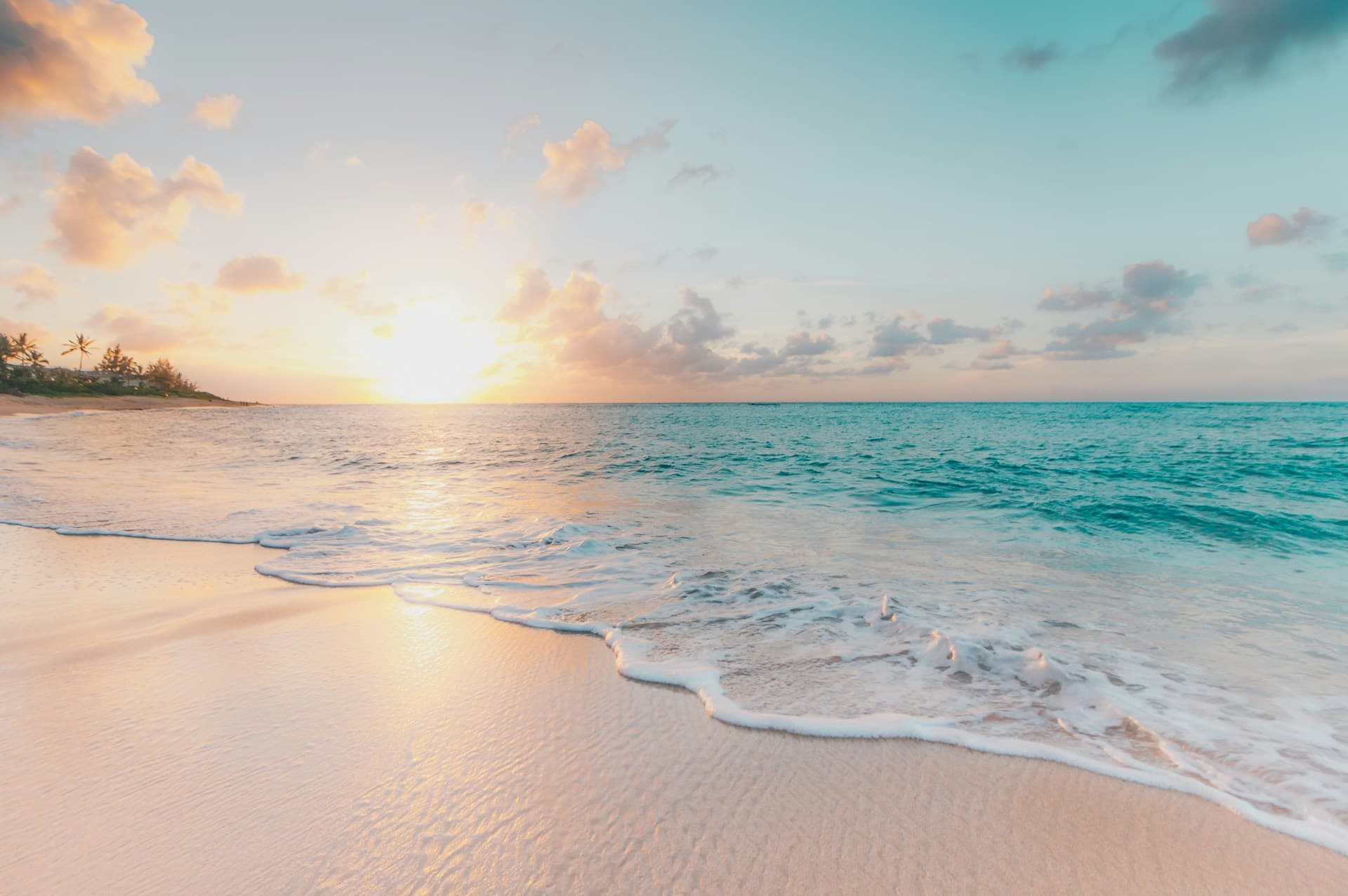
Greece has been wrecking travel plans in the best possible way for decades. You think you're going for the Acropolis and a few sunsets, and then you miss your flight home because you accidentally fell in love with a fishing village on Naxos. Before that happens to you — or so you can at least let it happen intentionally — here's everything you actually need to know before visiting Greece.
When to Go (and When to Avoid)
Greece has three distinct travel seasons, and picking the wrong one will define your entire experience.
| Season | Months | Crowd Level | Prices | Weather |
|---|---|---|---|---|
| Peak | July–August | Extremely crowded | Highest | 90°F+, relentless sun |
| Shoulder | May–June, Sept–Oct | Moderate | 20–40% lower | 70–85°F, ideal |
| Off-season | Nov–April | Very quiet | Cheapest | Cool, some rain; ferries reduced |
The honest answer: May and September are the sweet spots. You get the sun, the sea is warm, prices haven't spiked into absurdity, and you can actually get a table at Santorini's famous restaurants without a three-week-ahead reservation.
July and August in Mykonos or Santorini are an experience — just not always a pleasant one. Beaches are packed, rooms cost twice as much, and the famous "magical sunset views" are shared with 2,000 strangers jostling for the same photo.
Athens: How Long Do You Actually Need?
Two to three days is enough for most first-timers. Athens surprises people — it's grittier and more urban than the island fantasy, but it has genuine depth.
What to See
- The Acropolis — Non-negotiable. Go early (gates open at 8am) or in the late afternoon to avoid the worst heat and crowds. Tickets cost €20 in peak season, €10 in winter.
- Acropolis Museum — Often better than the hilltop visit. Modern, air-conditioned, €15 entry.
- Monastiraki Flea Market — Sunday mornings only; excellent for browsing, terrible for finding actual bargains.
- Plaka neighborhood — Touristy but charming; good for an evening walk and dinner.
- National Archaeological Museum — Serious history nerds should budget half a day; others can skip.
Food in Athens: Skip the tourist traps around Syntagma Square. Head to Exarchia or Koukaki for honest tavernas. A full meal (meze, grilled fish, wine) runs €15–25 per person at a decent local place.
The Islands: How to Choose
Greece has around 230 inhabited islands. You cannot see them all. Here's a quick breakdown of the most popular clusters:
Cyclades
The classic Greek postcard — white-and-blue villages, volcanic cliffs, turquoise water. The most visited, most expensive, and frankly most stunning.
- Santorini — The one with the famous caldera views and wine. Beautiful, crowded, and pricey (hotel rooms from €150–500+/night in summer). Best for a romantic 2–3 day stop.
- Mykonos — Party island with iconic windmills. Best beaches (Paradise, Super Paradise) and a thriving nightlife scene; not the place for a quiet escape.
- Naxos — Biggest Cycladic island, great beaches, fertile interior, way less crowded. Budget travelers love it here; rooms from €50/night.
- Paros — The middle ground: stylish but not pretentious, good beaches, great food scene, reasonable prices.
Dodecanese
Close to Turkey, less visited, arguably more authentic.
- Rhodes — Medieval Old Town (a UNESCO site), strong castle vibes, solid beaches. One of the best value islands.
- Symi — Tiny, pastel-colored harbor town, day-trip magnet from Rhodes. Worth an overnight if you want tranquility.
Ionian Islands
Greener, more lush, different vibe from the Cyclades. Less crowded, good for families.
- Corfu — British colonial history, Venetian influences, great food. Overrun in spots but has quiet corners.
- Kefalonia — Turquoise Myrtos Beach, caves, excellent local wine. One of Greece's genuine hidden-ish gems.
- Zakynthos — Famous for Navagio (Shipwreck Beach), sea turtles, and unfortunately some loud resort towns.
Getting Between Islands: Ferries vs. Flights
Most island-hopping happens by ferry. It's slower, cheaper, and infinitely more atmospheric than flying.
| Route | Ferry Time | Approx. Cost | Flight Time | Approx. Cost |
|---|---|---|---|---|
| Athens (Piraeus) → Santorini | 5–8 hrs | €40–90 | 45 min | €60–180 |
| Athens (Piraeus) → Mykonos | 2.5–5 hrs | €35–80 | 40 min | €60–160 |
| Santorini → Mykonos | 2–3 hrs | €40–70 | N/A (most fly via Athens) | — |
| Athens (Piraeus) → Naxos | 3.5–5.5 hrs | €35–75 | 45 min | €70–150 |
Ferry tips:
- Book on Ferryhopper or Ferryscanner — they aggregate all operators.
- High-speed catamarans (Seajets) are faster but pricier and rougher in choppy water.
- Blue Star Ferries are slower but comfortable and affordable; good for overnight routes.
- Book at least 2–3 weeks ahead in July–August or you won't get cabins.
- Always check if the ferry port is Piraeus, Rafina, or Lavrio — they're different ports outside Athens.
What Things Cost in Greece
Greece is cheaper than Western Europe but not as cheap as Southeast Asia. Here's a realistic daily budget:
| Budget Level | Daily Per Person | What It Gets You |
|---|---|---|
| Budget | €60–80 | Hostel dorm, taverna meals, local transport |
| Mid-range | €120–180 | 3-star hotel, restaurant dinners, occasional activities |
| Comfort | €250–400 | Boutique hotel, nicer restaurants, tours, ferry upgrades |
| Luxury | €500+ | Cave suite in Oia, fine dining, private boat day trips |
Biggest expense: Accommodation in Santorini and Mykonos in peak season. A room that costs €80 in Naxos costs €300+ in Oia in August. Same sun, same sea, very different price tag.
Cheap eats to know:
- Souvlaki — €2.50–4 from a street shop; the best fast food you'll eat anywhere.
- Tiropita (cheese pie) — €1.50–2.50 from bakeries; eat one for breakfast.
- Gyros — €3–5 wrapped; €6–8 on a plate.
- Grocery stores (AB Vassilopoulos, Lidl, Sklavenitis) are everywhere and cheap for snacks and wine.
Getting Around on Each Island
Most islands don't have great public transit. Your options:
- ATV/quad — Popular for small islands; €20–40/day. They flip. Wear a helmet, go slowly, don't be reckless.
- Scooter — Better than an ATV for longer distances; requires a valid motorcycle license in most rental shops.
- Car rental — Best option for larger islands like Crete, Naxos, or Kefalonia. Book ahead in peak season; expect €35–70/day including insurance.
- Local buses (KTEL) — Reliable on bigger islands, infrequent on smaller ones. Cheap (€1.50–5 per trip).
- Taxis — Available but expensive and scarce in rural areas. Get your hotel to call one vs. waiting roadside.
Money, SIM Cards, and Practical Logistics
Currency: Euro. Card acceptance is widespread in tourist areas but carry €50–100 cash for small villages, ferries, and market vendors.
ATMs: Available on all major islands. Use ones affiliated with banks (not independent Euronet ATMs which charge high fees). Expect a €3–5 withdrawal fee.
SIM cards: Buy a Greek SIM at the airport or any phone shop. Cosmote and Vodafone Greece offer tourist SIMs with generous EU-roaming data for €15–25.
Electrical outlets: European standard (Type C/F, 220V). US travelers need an adapter.
Language: Most Greeks in tourist areas speak English well. Learning "efcharistó" (thank you) and "yia sas" (hello/goodbye, formal) goes a long way.
Tipping: Not mandatory but appreciated. 5–10% at restaurants if service was good; round up taxi fares.
Planning a Greece Itinerary: A Framework
First-timers almost always underestimate how much time ferries and travel days eat into a trip. A realistic framework:
7 days: Athens (2 nights) → one main island (4 nights) → fly home from island
10 days: Athens (2 nights) → two islands (3–4 nights each)
14 days: Athens (2 nights) → three islands (3–4 nights each); one destination guide, one bucket-list, one quieter island
The common mistake is packing in five or six islands in two weeks. You'll spend half your trip on ferries and arrive exhausted. Two or three islands done slowly beats six done frantically.
Planning multiple Greek islands is genuinely complex — ferry times, accommodation availability, which ports connect, what season affects what. Faroway is an AI trip planner that's particularly good at this: you tell it your dates, budget, and travel style, and it builds a complete day-by-day Greek island itinerary factoring in real ferry schedules and logistics. Much faster than piecing it together yourself across a dozen tabs.
What People Don't Tell You
The wind is real. The Meltemi wind blows hard across the Aegean from July to mid-September. It makes ferry rides rough, churns up beaches, and can delay or cancel sailings. Build flex days into your itinerary.
Restaurants open late. Greeks eat dinner at 9pm or later. Shows up at 7pm and you're eating alone with the other tourists. Go at 9:30pm and you'll find a buzzing local scene.
Santorini's black sand beaches are overrated. Perissa and Perivolos are fine, but the famous beaches aren't the island's main draw — the caldera views, the wine, and the villages are. Don't go expecting great swimming.
Crete deserves more than a day. The largest Greek island is often a ferry stop or beach resort base for tourists. Spend four or five nights and actually explore the Samaria Gorge, Knossos Palace (the Minoan ruins), and the old harbor at Chania. It rewards time.
Off-season has real appeal. If your schedule allows a November or March visit, you'll find Santorini and Mykonos almost deserted, prices slashed, and locals actually happy to chat. Some restaurants and hotels close, but the ones that stay open are the good ones.
Ready to Build Your Greece Itinerary?
Greece rewards careful planning — especially when you're navigating multiple islands, ferry schedules, and the seasonal price swings. Rather than spending hours on spreadsheets and booking tabs, use Faroway to generate a personalized Greece itinerary based on your exact travel dates, budget, and what you actually care about seeing. It handles the routing, timing, and logistics so you can focus on finding the best souvlaki stand on the island.
Your perfect Greek trip is out there. Let's build the route to get you there.
Topics

Written by
Faroway Team
The Faroway team is passionate about making travel planning effortless with AI. We combine travel expertise with cutting-edge technology to help you explore the world.
@farowayGet Travel Tips Delivered Weekly
Get our best travel tips, destination guides, and exclusive deals delivered straight to your inbox every week.
No spam, ever. Unsubscribe anytime.