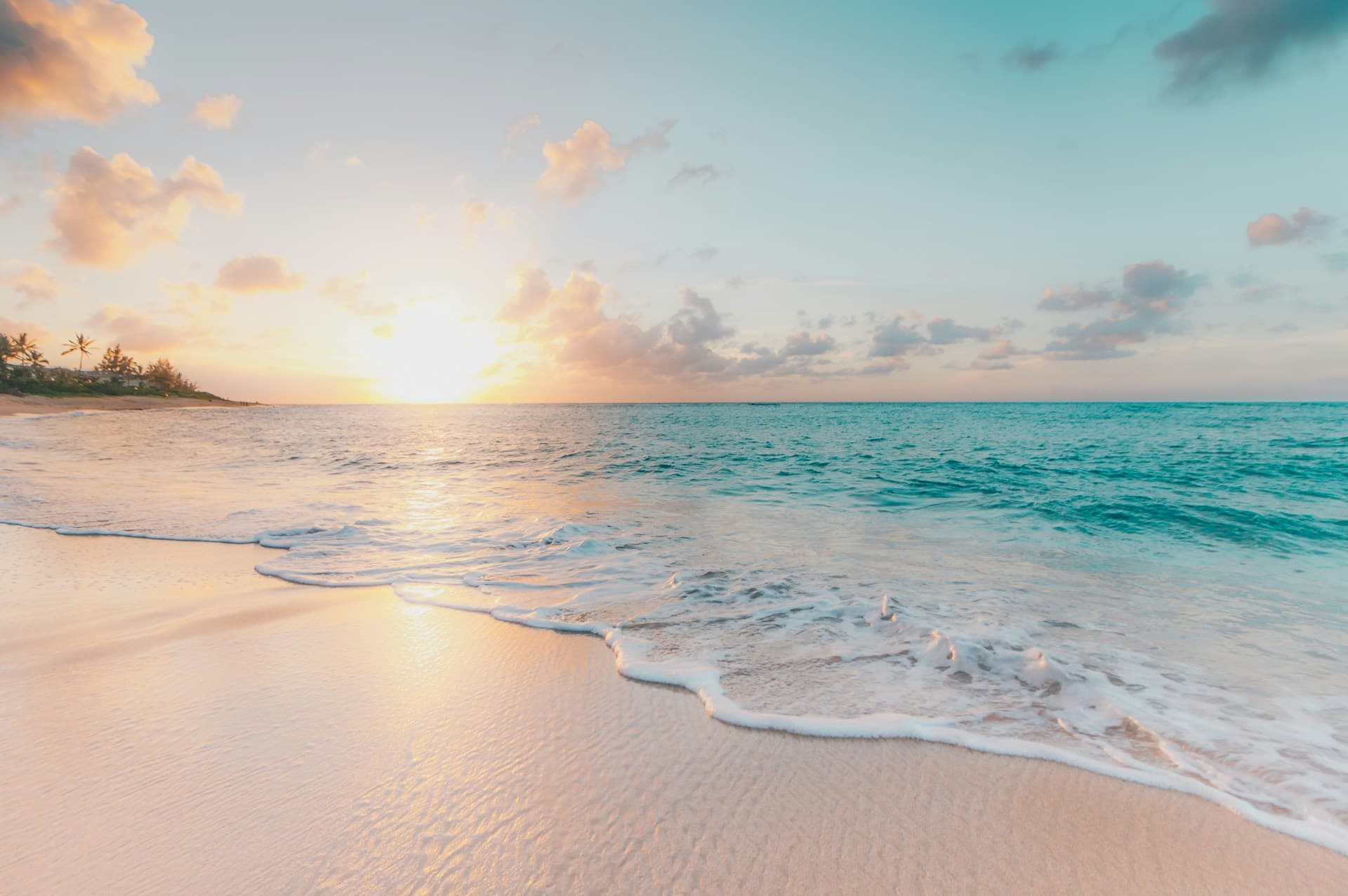

Colombia has earned its place at the top of every serious traveler's list. The country that spent decades battling its own reputation has quietly — then explosively — transformed into one of South America's most rewarding destinations. The walled city of Cartagena glows gold at sunset. Medellín's cable cars float above neighborhoods that once made headlines for all the wrong reasons. The coffee axis rolls out in endless waves of green. And the people? Warm, proud, and genuinely happy to show you what their country has become.
This is your Colombia travel guide for 2026 — practical, honest, and detailed enough to actually help you plan.
Why Colombia in 2026?
Colombia's tourist infrastructure has matured significantly. Direct flights from the US (Miami, New York, Atlanta, Los Angeles) keep prices reasonable. The Colombian peso remains favorable for most Western travelers, meaning your money stretches further than in neighboring Ecuador or Peru. And with over 1,800 bird species — more than any country on Earth — plus Caribbean and Pacific coastlines, Andean cloud forests, and the Amazon, Colombia packs an almost absurd amount of diversity into one trip.
The country is also getting easier to navigate independently. Improved roads, expanded domestic flight networks, and a thriving hostel-to-boutique-hotel spectrum across all price ranges mean you no longer need a package tour to have a smooth trip.
Where to Go: Colombia's Essential Regions
Cartagena: The Jewel of the Caribbean
Cartagena is Colombia's most photogenic city, and it knows it. The walled colonial center (Ciudad Amurallada) is a UNESCO World Heritage Site stuffed with pastel-colored mansions, bougainvillea-draped balconies, and plazas that fill up with music after dark.
What to do:
- Walk the 11-kilometer city walls at sunset — free, and one of the best experiences in South America
- Explore Getsemaní, the neighborhood that's become the city's creative heart, for street art and rooftop bars
- Take a boat to the Islas del Rosario — crystal-clear Caribbean water 45 minutes from the port ($25–40 round-trip)
- Visit Castillo San Felipe de Barajas, the 17th-century Spanish fortress ($7 entry)
Stay: Old City boutique hotels run $80–200/night. Budget travelers can find solid options in Getsemaní for $20–50. Book early — Cartagena fills up.
Avoid: The beaches directly in front of the walled city are crowded and mediocre. Head to Bocagrande or, better yet, the islands.
Medellín: The World's Most Transformed City
Two decades ago, Medellín was the most dangerous city on the planet. Today it wins awards for urban innovation. The cable car system that connects hillside comunas to the metro, the outdoor escalators in Comuna 13, the botanical gardens, the world-class restaurant scene — Medellín's reinvention is one of the most remarkable urban stories of the 21st century.
What to do:
- Ride the Metrocable to Parque Arví — a nature reserve accessible only by gondola ($2 metro fare)
- Take the free guided tours of Comuna 13, where street art narrates the neighborhood's history
- Visit Parque Explora and the Botanical Garden on a weekday to avoid weekend crowds
- Explore El Poblado's Parque Lleras area for dinner — try Hatoviejo for bandeja paisa (about $12)
Day trips: Guatapé is 1.5 hours away by bus ($5 each way). Climb La Piedra del Peñol — 740 steps, stunning reservoir views — and wander the colorful lakeside village. One of the best day trips in Colombia.
Stay: El Poblado is safest and most convenient for first-timers ($40–150/night). Laureles is quieter and more local.
The Coffee Region (Eje Cafetero)
The coffee axis — roughly the triangle between Manizales, Armenia, and Pereira — is where Colombia's most famous export comes from. The landscape is extraordinary: steep ridges covered in banana trees and coffee plants, colonial towns with white architecture and red trim, and the iconic wax palms of Valle de Cocora.
What to do:
- Hike Valle de Cocora, just outside Salento — the wax palms (Colombia's national tree, 60+ meters tall) make for surreal photos ($15–20 for guided hike)
- Visit a coffee farm (finca) near Salento for a full coffee tour — see the whole process from cherry to cup ($10–20 per person)
- Explore Filandia and Buenavista, smaller villages less visited than Salento
- Wander Salento's main plaza and load up on bandeja paisa, trout, and fresh-pressed juice
Getting there: Buses from Medellín to Pereira take 4–5 hours ($10–15). From Pereira, jeeps to Salento run frequently ($3).
Bogotá: The Underrated Capital
Bogotá doesn't get the love it deserves. At 2,600 meters elevation, the capital is cool, culturally dense, and home to some of the best museums in South America. La Candelaria, the colonial historic center, packs in gold museums, street art, and the Botero sculptures at Plaza Botero (free).
Don't miss:
- Museo del Oro (Gold Museum) — 55,000 pre-Columbian gold pieces, $4 entry
- Monserrate, the hilltop church with panoramic city views (cable car: $11 round-trip)
- Usaquén neighborhood on Sunday for the antiques market and brunch spots
- Andrés Carne de Res in nearby Chía — a legendary restaurant and party venue unlike anything else in South America
Colombia Travel Costs in 2026
| Category | Budget | Mid-Range | Splurge |
|---|---|---|---|
| Accommodation/night | $15–25 hostel | $50–100 hotel | $150–300 boutique |
| Meals | $4–8 set lunch (almuerzo) | $12–25 restaurant | $40+ upscale |
| Intercity bus | $8–20 | — | Domestic flight $50–100 |
| Activities | Free–$10 | $15–40 | $80+ (tours) |
| Daily total | $40–60 | $80–150 | $200+ |
The almuerzo (set lunch) is your greatest ally in Colombia. Almost every restaurant offers a 3-course meal — soup, main, juice, dessert — for $4–7. Eat lunch like a local and save money for dinner.
Getting Around Colombia
Domestic flights: Colombia is big. Flying saves enormous time. Avianca, LATAM, and low-cost carrier Wingo connect Bogotá, Medellín, Cartagena, Cali, and Santa Marta. Book 2–3 weeks ahead for $50–100 fares; last-minute can be $150–200.
Long-distance buses: Comfortable, air-conditioned intercity buses are the backbone of Colombian travel. Companies like Bolivariano and Expreso Brasilia run modern coaches. Always book ahead for holiday periods.
Within cities: Medellín's metro is excellent ($0.85/ride). Bogotá has TransMilenio (BRT) plus growing ciclovías (Sunday bike lanes). Cartagena is best explored on foot in the walled city; taxis cost $3–6 for most trips.
Taxis & apps: InDriver and Cabify work well in major cities. Always use app-based rides over hailing street taxis.
When to Visit Colombia
Colombia sits near the equator, so "seasons" work differently than in temperate countries. The country has two dry seasons and two rainy seasons per year.
| Region | Best Months | Avoid |
|---|---|---|
| Cartagena / Caribbean Coast | Dec–Apr, Jul–Aug | Oct–Nov (heaviest rain) |
| Medellín | Dec–Feb, Jun–Aug | Oct–Nov |
| Coffee Region | Jun–Aug, Dec–Jan | Mar–May, Sep–Nov |
| Bogotá | Jun–Aug, Dec–Jan | Mar–May (rainy) |
December and January are peak season (and Colombian holiday season), meaning higher prices and more crowds. February–March hits a sweet spot: dry weather, manageable crowds, and lower accommodation rates.
Colombia Safety in 2026
Colombia is significantly safer than it was 10–15 years ago, but it's not without risks. Context matters enormously — tourist areas are generally safe, while other parts require more care.
Practical tips:
- Use ATMs inside banks or shopping malls, not street ATMs
- Don't use your phone while walking on the street in unfamiliar areas
- Book official taxis or use ride apps (avoid unmarked cabs)
- Research specific neighborhoods before heading out at night
- Stay aware of scopolamine ("devil's breath") — never accept drinks or food from strangers
- Register your trip with your country's embassy travel advisory portal
Most travelers complete their Colombia trips without any incidents. The risks are real but manageable with basic situational awareness.
Sample 10-Day Colombia Itinerary
Days 1–3: Bogotá — Acclimatize, La Candelaria, Gold Museum, Monserrate, Zona Rosa dinner
Days 4–5: Medellín — El Poblado base, Metro Cable, day trip to Guatapé, Comuna 13 tour
Days 6–7: Coffee Region — Salento, Valle de Cocora hike, coffee farm tour, Filandia day trip
Days 8–10: Cartagena — Walled city exploration, Islas del Rosario boat day, Getsemaní nightlife, sunset from the walls
This routing flows well with domestic flights: Bogotá → Medellín (fly or 8-hour bus), Medellín → Armenia/Pereira (bus 4h), Pereira → Cartagena (fly).
Want a custom version of this itinerary? Faroway builds personalized Colombia trip plans around your travel dates, budget, and interests — including flight timing, hotel recommendations, and day-by-day logistics. It's free and takes about two minutes.
Colombia Practical Info
Visa: Most Western passport holders get 90 days on arrival (extendable to 180 days/year). No visa required for US, EU, UK, Canada, Australia citizens.
Currency: Colombian Peso (COP). $1 USD ≈ 4,200–4,500 COP (2026 rates vary). Withdraw pesos at ATMs — better rates than airport exchanges.
Language: Spanish. English is spoken in tourist areas and by younger Colombians, but learning basic Spanish phrases goes a long way outside Bogotá, Medellín, and Cartagena.
Power: 110V, Type A/B plugs (same as US). No adapter needed for North American electronics.
Health: Yellow fever vaccination recommended if visiting Amazon or llanos regions. Malaria prophylaxis for jungle areas. Drink bottled water outside major cities.
SIM card: Get a local SIM at the airport (Claro or Movistar). $10 gets you 10–15GB of data — essential for maps and apps.
The Bottom Line
Colombia in 2026 rewards curious travelers who don't just stick to the Instagram checklist. Yes, Cartagena's walls at sunset are everything you've seen in photos. But the real Colombia reveals itself in a jeep crammed with locals heading to a finca, in a Medellín rooftop bar where the city's metamorphosis is visible in every direction, in a cup of coffee grown on the slope you're looking at while you drink it.
The country has worked hard to become what it is today. That history, that pride, and that warmth make Colombia more than just a pretty destination — it makes it one worth going back to.
Ready to plan your Colombia trip? Faroway generates a custom AI itinerary based on your exact dates, interests, and travel style — from the coffee region to the Caribbean coast.
Topics

Written by
Faroway Team
The Faroway team is passionate about making travel planning effortless with AI. We combine travel expertise with cutting-edge technology to help you explore the world.
@farowayGet Travel Tips Delivered Weekly
Get our best travel tips, destination guides, and exclusive deals delivered straight to your inbox every week.
No spam, ever. Unsubscribe anytime.
