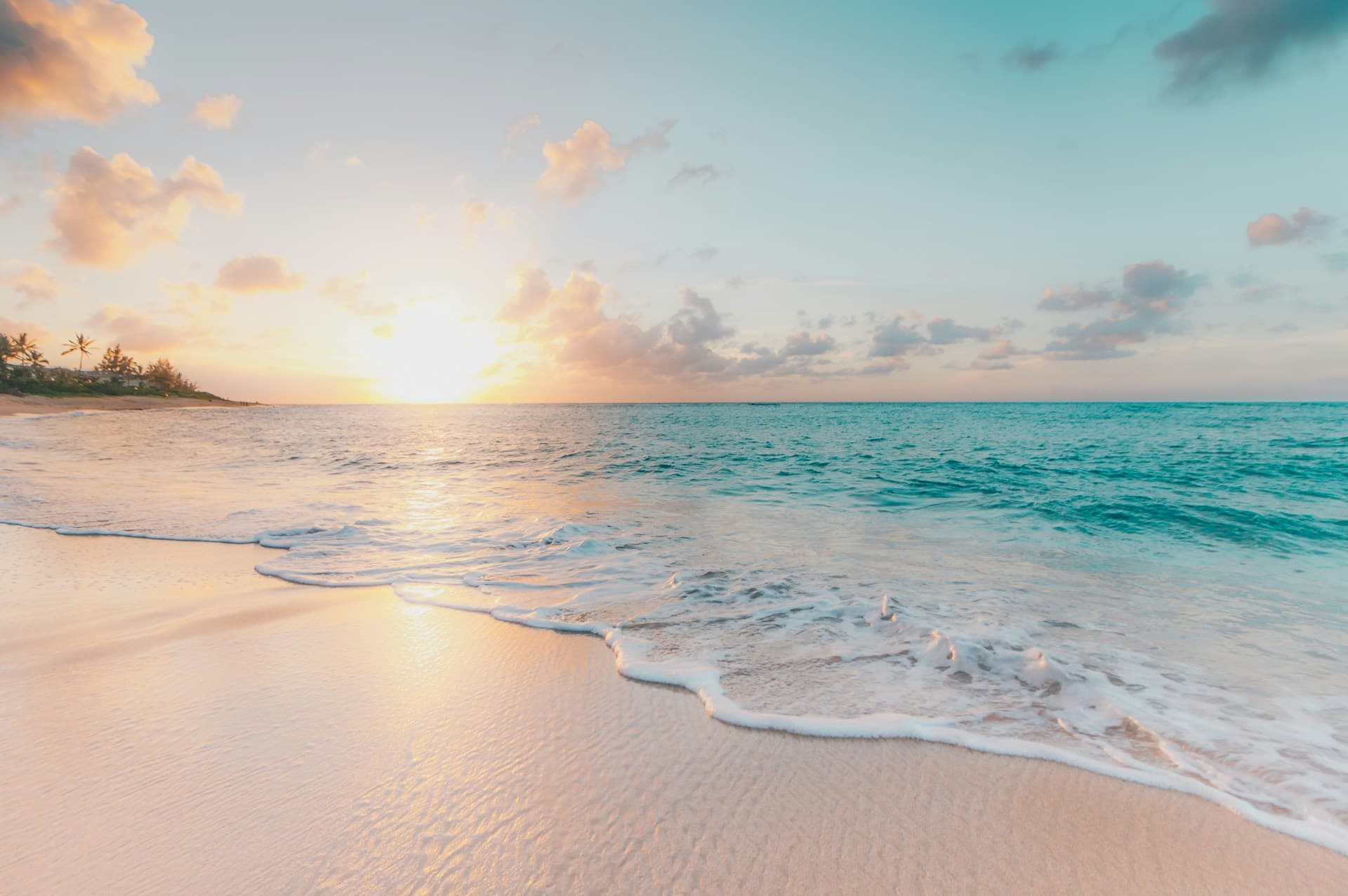
Forget two-week itineraries spent lying on a single beach. Costa Rica rewards the curious — those who want to zip-line through cloud forest at dawn, watch olive ridley sea turtles nest at midnight, and sip fresh guanabana juice from a roadside cart the next morning. This is a country the size of West Virginia with more biodiversity per square kilometer than almost anywhere on Earth, and in 2026 it's better connected — and more visited — than ever.
Here's how to do it right.
Why Costa Rica in 2026
Costa Rica receives about 3.5 million international visitors a year and has no plans to slow down. The government's "Essential Costa Rica" brand leans hard into sustainability, and the infrastructure has followed: better roads to the Osa Peninsula, expanded domestic flights out of Juan Santamaría (SJO) and Liberia (LIR), and a growing roster of LEED-certified eco-lodges.
Two airports matter for trip planning:
- SJO (San José) — best for the central highlands, Caribbean coast, and Manuel Antonio
- LIR (Liberia) — best for Guanacaste beaches, Arenal, and Monteverde without a brutal drive
Most US cities have direct flights to both. Round-trip fares from New York, Miami, or LA typically run $350–$600 outside peak season (December–April).
When to Go
| Season | Months | Conditions | Best For |
|---|---|---|---|
| Dry season | Dec–Apr | Sunny, crowds peak | Guanacaste beaches, wildlife spotting |
| Green/rainy season | May–Nov | Afternoon rains, lush | Budget travel, fewer crowds, sea turtles |
| Transitional | Oct–Nov | Wet but rewarding | Tortuguero turtles, discounted rates |
Insider tip: "Green season" (May–November) cuts hotel prices 20–40% and turns the rainforest an almost surreal shade. Rain usually comes in the afternoon — mornings are clear and perfect for hiking.
The Big Regions: Where to Base Yourself
Arenal & La Fortuna
Arenal Volcano hasn't had a major eruption since 2010, but the 1,633-meter cone looming over the lake makes every sunrise photo look like a movie poster. La Fortuna town is the gateway, with everything from budget hostels ($15–$25/night) to luxury ecolodges like Nayara Springs ($450+/night) perched on the volcano's flanks.
Don't miss:
- La Fortuna Waterfall — a 70-meter cascade reached by a 20-minute hike; entrance is ₡5,000 (~$10)
- Hot springs — free options along the Rio Tabacón exist, though the gated resorts ($50–$100) are more polished
- Hanging bridges at Mistico — 16 bridges through primary forest, $28–$32 per person
Monteverde & Santa Elena
Cloud forest. That's the headline. At 1,400 meters, Monteverde sits in a perpetual mist that feeds a forest canopy dripping with orchids, bromeliads, and resplendent quetzals. The zip-lining here — through actual canopy, not above it — is the best in Costa Rica.
Getting there: The road from La Fortuna is famous for being terrible (bone-jarring gravel). Allow 3–4 hours regardless of what Google Maps says. Alternatively, take the jeep-boat-jeep transfer via Lake Arenal (~$35, 3 hours) — it's faster and far more scenic.
Budget: Hostel beds from $18, mid-range hotels $60–$120, zip-line tours $50–$85.
Manuel Antonio
Costa Rica's most visited national park sits on the Pacific coast south of San José. The appeal is obvious: a compact jungle packed with white-faced capuchin monkeys, three-toed sloths, and scarlet macaws, all within walking distance of white sand beaches.
Entrance: The park limits visitors to 600 per day; reserve online in advance at sinac.go.cr ($19 for non-residents). Arrive early — the wildlife is most active before 9 AM.
Base town: Quepos, 7 km from the park entrance, has good restaurants and far cheaper accommodation than the hotel strip along the park road.
Guanacaste (Northwest)
Costa Rica's "Gold Coast" runs from the Nicaraguan border south to the Nicoya Peninsula. This is beach-resort territory — Tamarindo, Nosara, Sámara, Playas del Coco. Expect surfing, yoga retreats, and expat communities that have been there since the 1990s.
Tamarindo has the most infrastructure (and the most tourists). Nosara attracts surf and wellness pilgrims. Sámara is quieter, family-friendly, and has a protected lagoon perfect for beginner kayaking.
Caribbean Coast
The Caribbean side — Tortuguero and Puerto Viejo — operates on a completely different frequency. Slower, reggae-scored, with Afro-Caribbean cooking that's wildly different from the gallo pinto of the Pacific side. Roads here are rougher; the pace is what they're selling.
Tortuguero is accessible only by boat or small plane. From July to October, green sea turtles nest on its black-sand beaches — one of the most spectacular wildlife events in the Americas. Tours are strictly managed through certified guides ($20–$25/person).
Top Wildlife Experiences
Costa Rica has 5% of the world's biodiversity in 0.03% of the planet's land. That's not marketing copy — it's measurable.
Sea Turtle Nesting
| Location | Species | Peak Season |
|---|---|---|
| Tortuguero (Caribbean) | Green turtle | July–October |
| Ostional (Pacific) | Olive ridley (arribada) | Aug–Dec |
| Las Baulas NP (Pacific) | Leatherback | Oct–March |
Ostional is extraordinary: during an arribada, tens of thousands of olive ridley turtles arrive simultaneously over 3–8 nights. Entrance to the wildlife refuge is free; hire a local guide from ASVO (~$10) to not accidentally step on a nest.
Birding
Costa Rica has 900+ bird species. Key spots:
- Cerro de la Muerte — resplendent quetzal, best seen Feb–April during nesting
- Carara National Park — scarlet macaws at dawn, 30 minutes from Jacó
- Corcovado National Park — harpy eagle, great green macaw, king vulture
Getting Around
Renting a car from SJO or LIR is the most flexible option — budget $35–$60/day for a 4WD (essential in rainy season). GPS works well; road quality varies wildly.
Alternative transport:
- Shared shuttles — Interbus and Grayline run routes between major destinations; $25–$60 per leg
- Domestic flights — Sansa and Green Airways connect SJO to Puerto Jiménez, Tortuguero, Nosara, and Quepos; flights run $75–$120 one-way but save hours
- Public buses — cheap ($3–$12 most routes) but slow; reliable for budget travelers with time
Budget Breakdown
| Category | Budget | Mid-Range | Luxury |
|---|---|---|---|
| Accommodation (per night) | $15–$40 | $70–$150 | $200–$500+ |
| Meals (per day) | $15–$25 | $35–$60 | $80+ |
| Activities (per day) | $10–$30 | $50–$100 | $150+ |
| Transport (rental car/day) | — | $35–$60 | $60+ |
| Daily total | $40–$95 | $190–$370 | $500+ |
Eating cheaply: A casado (rice, beans, protein, salad) at a soda (local diner) costs $4–$7 and is genuinely good. Avoid restaurants on the main tourist strip in any town — walk one block in any direction and prices drop 40%.
Suggested 10-Day Itinerary
Days 1–2: Fly into SJO → Drive to La Fortuna (3.5 hrs). Waterfalls, hot springs.
Days 3–4: La Fortuna → Monteverde (jeep-boat-jeep). Cloud forest hike, zip-lining.
Days 5–6: Monteverde → Manuel Antonio (5 hrs by shuttle). National park, beach.
Days 7–8: Manuel Antonio → Dominical → Puerto Jiménez. Corcovado day hike.
Days 9–10: Return to SJO via Quepos. Or fly LIR to Guanacaste for beach days.
Planning multiple stops in one trip is exactly where Faroway shines — you describe what you want (eco-lodges, wildlife, avoid tourist traps) and it builds a day-by-day itinerary with real logistics, not just a list of places.
Practical Essentials
Visa: US, EU, UK, and Canadian citizens get 90 days visa-free.
Currency: Costa Rican colón (₡). USD is widely accepted in tourist areas. Avoid airport exchange booths; use ATMs in San José or Liberia.
Power: 110V/60Hz, US-style plugs. No adapter needed for North American visitors.
Health: No vaccinations required, but Hepatitis A and typhoid are recommended. Tap water is safe in most urban areas — not in rural communities.
Safety: Costa Rica is among the safest countries in Central America. Standard urban precautions apply: don't leave valuables visible in rental cars, especially in San José.
Mobile: A SIM card from Kolbi or Claro costs about $3–$8 and works everywhere except deep jungle.
What to Skip (Honest Advice)
- San José city tours — the capital has a few good museums but it's not a highlight; treat it as a transit hub
- Overpriced "private" beach tours — most beaches in Costa Rica are public by law; skip the premium transfers
- Peak week Christmas/New Year's — prices double, parks are at capacity, roads are chaos
Plan Your Costa Rica Trip with Faroway
Costa Rica rewards customization. Whether you want two weeks of cloud-forest lodges with no beach time, or a family-friendly loop through Arenal and Manuel Antonio with kids in tow, the "best" trip is entirely personal.
Faroway is an AI trip planner that builds your personalized Costa Rica itinerary based on your travel style, pace, and budget — complete with specific lodging recommendations, transport logistics, and park reservations to book in advance. Skip the generic blog listicle and get a plan that's actually yours.
→ Start planning your Costa Rica trip at faroway.ai
Pura vida.
Topics

Written by
Faroway Team
The Faroway team is passionate about making travel planning effortless with AI. We combine travel expertise with cutting-edge technology to help you explore the world.
@farowayGet Travel Tips Delivered Weekly
Get our best travel tips, destination guides, and exclusive deals delivered straight to your inbox every week.
No spam, ever. Unsubscribe anytime.